
Last updated October 30, 2026
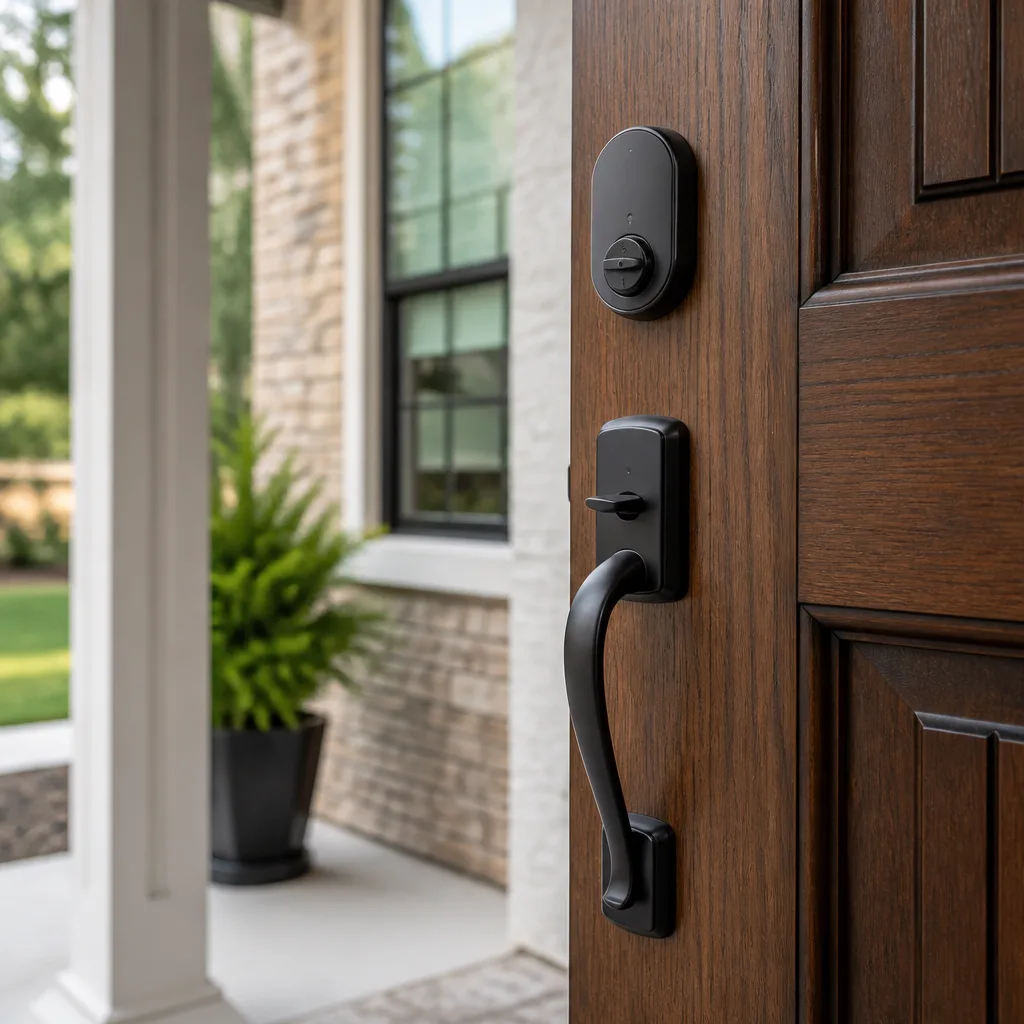 Smart locks
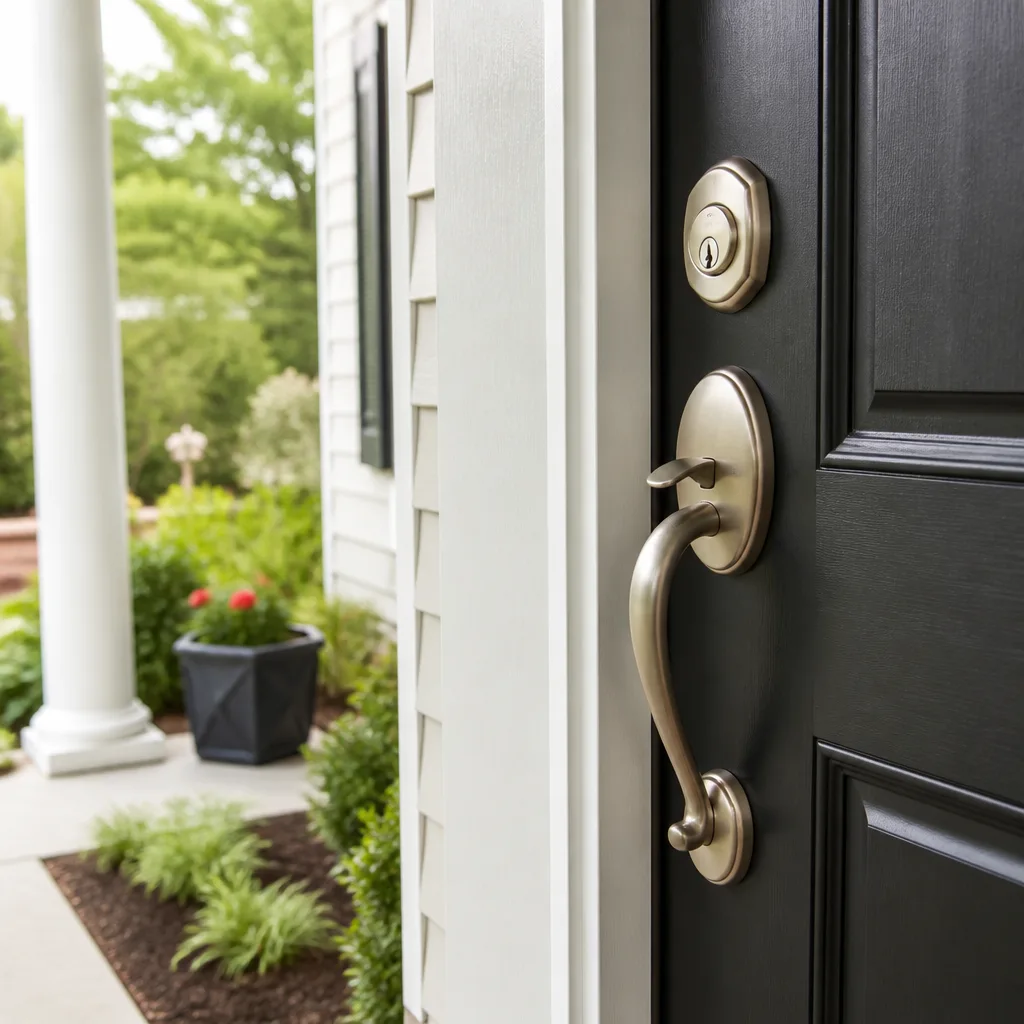 House lockouts
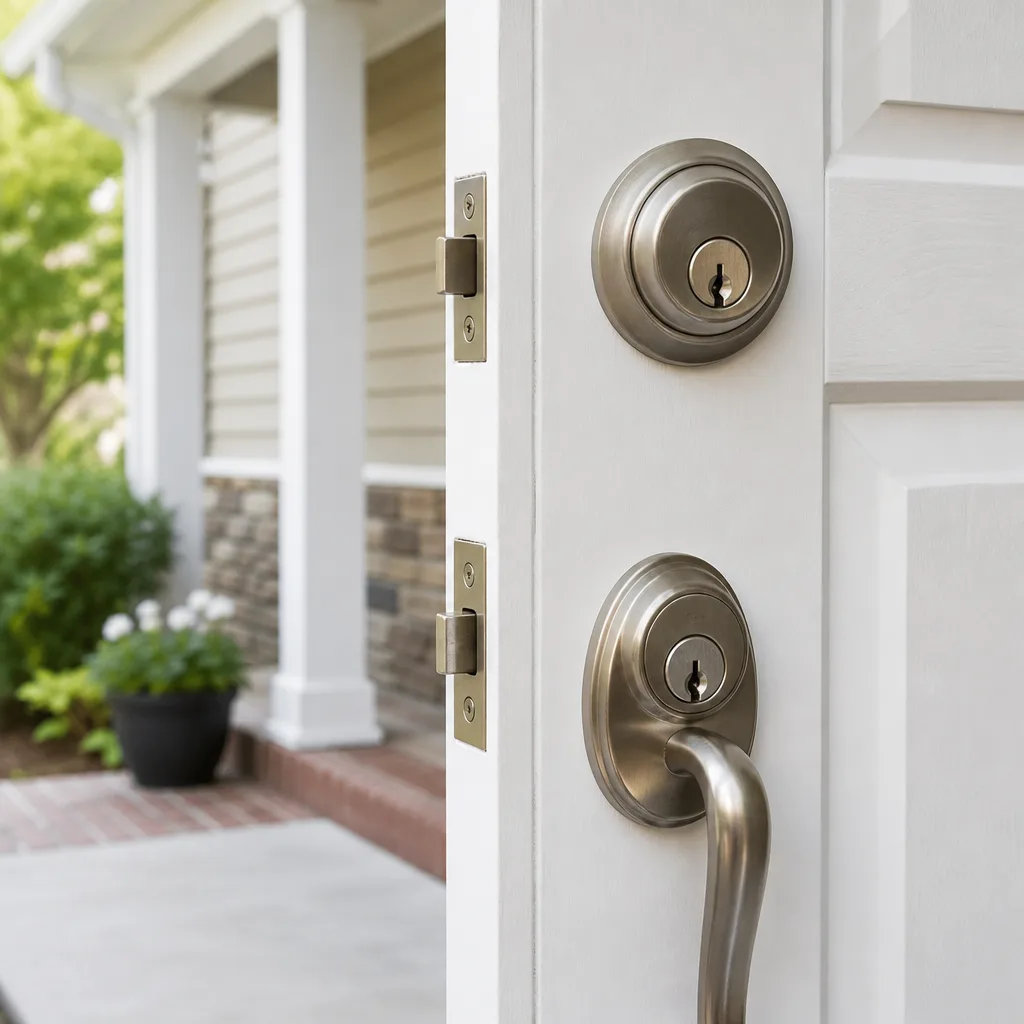 Re-keying
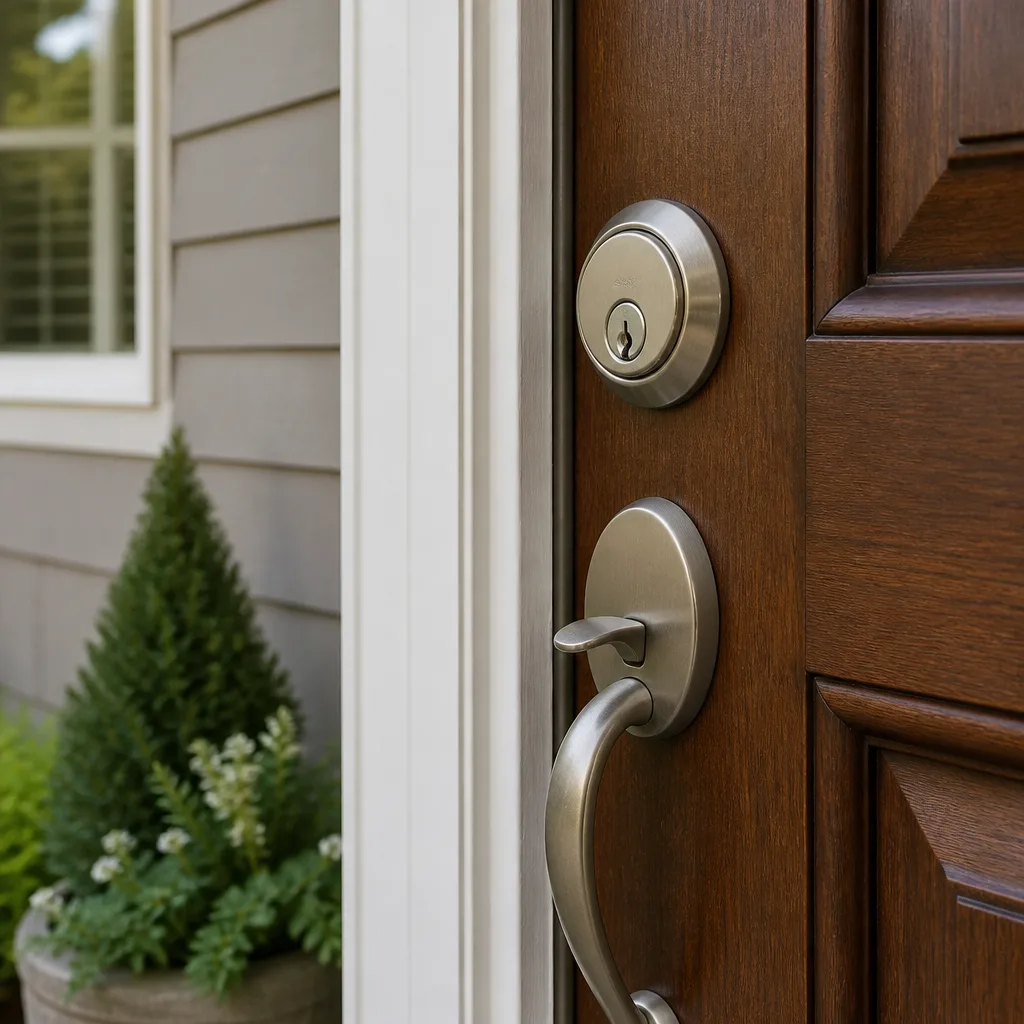 Deadbolt upgrades
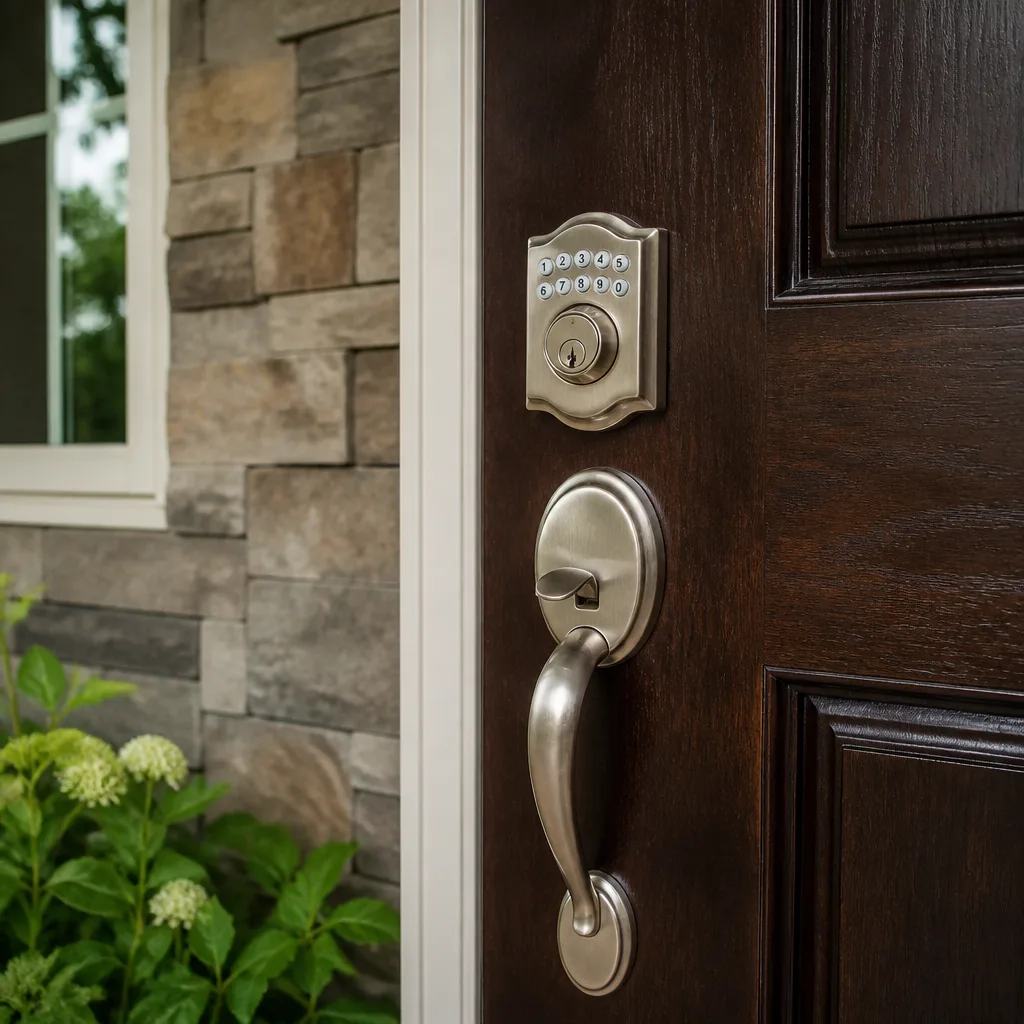 Schlage
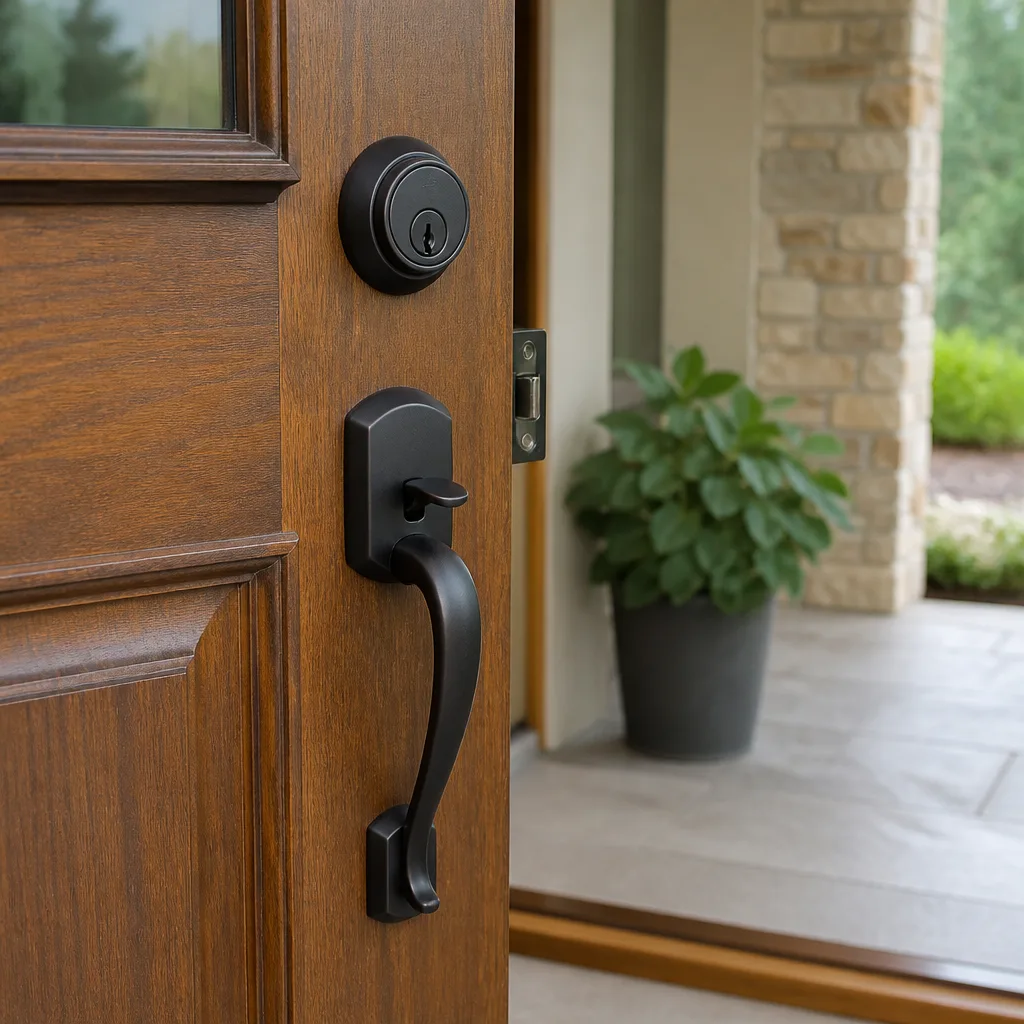 Kwikset
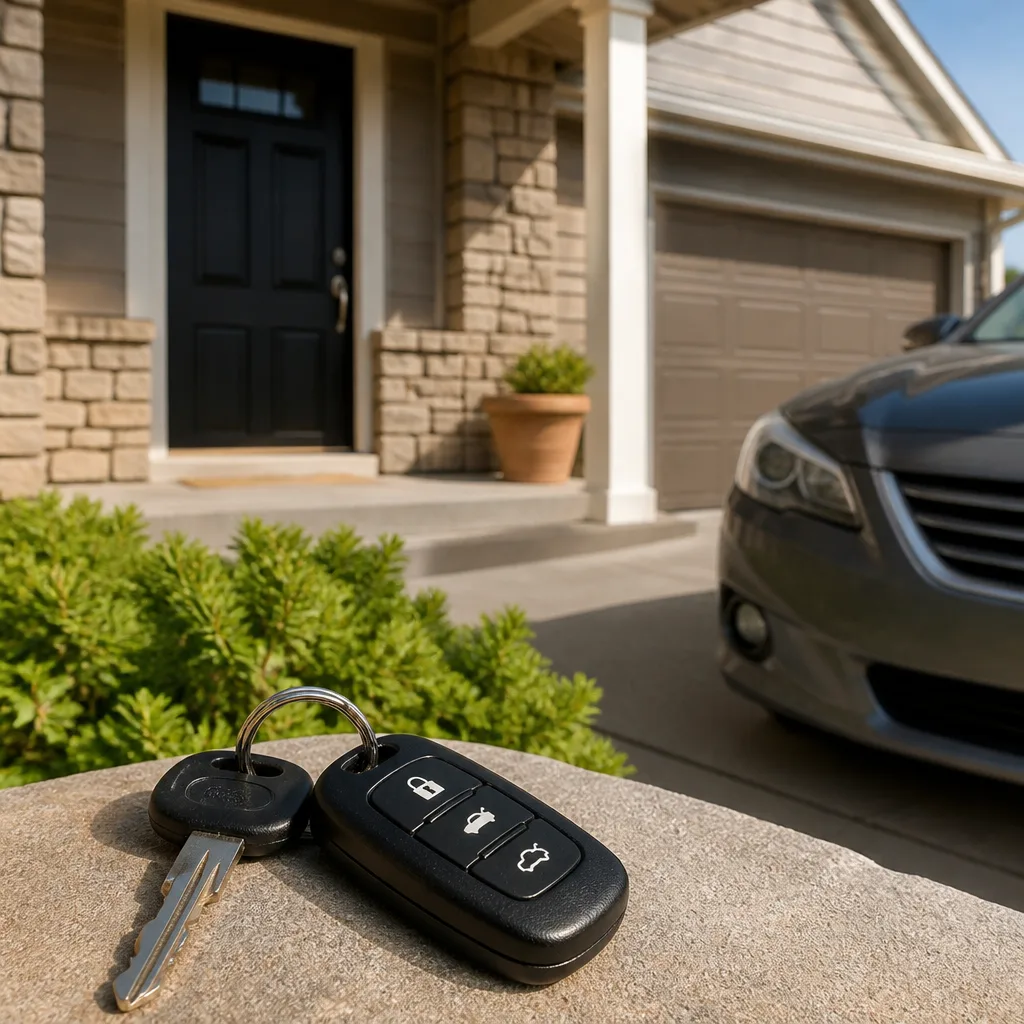 Car keys & fobs
Non-destructive entry first, always - and we re-key Schlage, Kwikset, and Baldwin locks on the spot while you watch
You get a price before we start. It does not change when we arrive. No surprises.
Get your free estimateChoosing the Right Locksmith Brand: A Buyer’s Guide for Anaheim
Most Anaheim homeowners walk into a hardware store, see a wall of locks ranging from $19 to $120, and assume the price difference is mostly about finish and brand recognition. That assumption leads to two predictable outcomes: someone pays $280 for a Baldwin deadbolt on a hollow-core interior door that a $40 Kwikset would have secured just as well, or someone installs a Grade 3 bedroom lock on the side door to their garage in a neighborhood where that door is the first thing a thief tests. Schlage, Kwikset, and Medeco are not interchangeable upgrades from each other. They represent fundamentally different security philosophies, price points, and use cases, and the wrong choice in either direction wastes money or leaves a gap in your security. This guide explains how to match lock brand and security grade to the actual threat environment at your home in Anaheim, so you can spend exactly what you should. For a deeper dive, see our Complete Guide to Locksmith in Anaheim.hat the situation requires and not a dollar more.
Quick Answer
The right lock brand for most Anaheim homes depends on which door you’re securing and what’s behind it: Kwikset or Schlage (ANSI Grade 2) handle the majority of residential entry doors well, Medeco or Mul-T-Lock high-security cylinders are justified only for doors protecting high-value assets or homes with a documented break-in history, and Baldwin is a finish-and-hardware choice rather than a security upgrade. Before buying any brand, confirm the lock carries an ANSI/BHMA grade stamp and that your locksmith actually stocks or services that exact brand rather than pushing a generic substitute.
Styles & brands we work with
Table of Contents
- ANSI/BHMA Grades Explained in Plain Terms
- Kwikset vs. Schlage: The Two Workhorses of Anaheim Homes
- When Medeco and Mul-T-Lock Are Actually Justified
- Baldwin and Yale: Premium Hardware, Not Premium Security
- Smart Lock Brands: A Completely Different Evaluation Framework
- How to Tell Whether a Locksmith Is Recommending the Right Brand for You, or the Brand with the Highest Margin
- What Each Brand Actually Costs in Anaheim
ANSI/BHMA Grades Explained in Plain Terms
The American National Standards Institute and the Builders Hardware Manufacturers Association test locks for durability, strength, and finish quality, then assign them a grade from 1 to 3. Grade 1 is the highest, built for commercial doors that get opened dozens of times a day. Grade 3 is the lowest, intended for interior doors or low-traffic residential use. Most people have never heard of these grades, and lock marketing certainly doesn’t make them prominent, but they matter more than brand name when it comes to how long a lock survives and how much force it will take before it fails.
The test cycle counts tell the story. A Grade 1 deadbolt must survive 500,000 open-close cycles. Grade 2 requires 150,000. Grade 3 requires just 100,000. A Grade 1 lock also has to withstand heavier impacts against the bolt and the strike. In Anaheim terms, here’s what that means: the front door of your home, which gets used multiple times per day by every household member, will hit 100,000 cycles in roughly eight to twelve years. A Grade 3 lock will start feeling loose and sloppy around that mark. A Grade 2 lock will still be operating normally at that same mark. A Grade 1 lock will outlive the door it’s attached to.
The practical rule we apply in Anaheim: Grade 2 is the residential sweet spot for exterior doors. It provides meaningful durability and bolt strength without the heavy commercial price tag. Grade 1 is worth the cost on any door that protects high-value assets or that faces a documented security threat. Grade 3 belongs on interior doors, closet doors, and nothing else that faces the outside.
Kwikset vs. Schlage: The Two Workhorses of Anaheim Homes
Walk through any Anaheim neighborhood built between 1960 and 2020 and you’ll find these two brands on most front doors. They dominate the residential market, they’re both carried by every locksmith and hardware store in Orange County, and they’re both perfectly adequate for most homes. But “adequate” means different things for different doors, and the differences between them are specific enough to matter.
Kwikset’s residential line is the price leader. A Kwikset deadbolt runs $20 to $50 at retail, and its SmartKey rekeying technology lets a homeowner rekey the lock themselves in about 30 seconds without removing the cylinder. That’s a real advantage if you lose a key or move into a home and want to invalidate old copies without calling us or anyone else. See DIY vs Professional Locksmith: The Anaheim Homeowner’s Decision Guide for when self-rekeying makes sense versus calling a pro. The trade-off: Kwikset’s standard cylinders have looser manufacturing tolerances than Schlage’s, and their internal components are lighter. The lock will work fine for years under normal use, but it is less tolerant of rough handling, and some Kwikset models have a known vulnerability to a bypass tool called a comb, though Kwikset has revised cylinder designs in recent years to close most of these gaps.
Schlage’s residential line costs more, typically $40 to $90 for a deadbolt. The internal components are machined more precisely, the bolt is thicker and longer than a comparable Kwikset, and the cylinder accepts a wider range of key blank modifications. In practical terms, a Schlage deadbolt on the front door of an Anaheim home will feel tighter at year eight than a Kwikset at year five. Schlage also makes a Step 2: if you’re rekeying rather than replacing, confirm the locksmith can rekey your existing brand correctly; a locksmith who fumbles a Kwikset SmartKey cylinder or doesn’t carry Schlage pins isn’t doing you a favor. Step 3: if you’re looking at high-security hardware, confirm the specific brand and keyway, then ask whether the locksmith can cut and duplicate those keys on site, because Medeco and Mul-T-Lock key blanks are restricted and require specialized equipment.
In Anaheim, we see Kwikset as the right choice for interior doors, entry knobs on lower-traffic secondary doors, and any rental property where rekeying happens frequently and price matters most. Schlage is the right choice for main entry doors, the door between garage and living space, and any door you’ll be locking and unlocking every day for the next decade or more. Neither one is wrong for most homes. The wrong move is installing either one on a door that needs more.
When Medeco and Mul-T-Lock Are Actually Justified
High-security cylinders from Medeco and Mul-T-Lock are built to resist picking, bumping, drilling, and unauthorized key duplication. Medeco has manufactured high-security locks for the U.S. government for decades. Mul-T-Lock’s telescoping pin design is similarly resistant to manipulation, and both brands issue restricted key blanks that cannot be copied at a hardware store or by any locksmith who hasn’t been authorized by the manufacturer. When you hand a Medeco key to a random kiosk at a mall, they will refuse to cut it because they cannot order the blank.
Sounds impressive. And for certain doors, it is genuinely warranted. But before you spend $120 to $250 per cylinder, be honest about what you’re protecting. The threat model matters more than the hardware. In our experience in Anaheim, the homes that actually benefit from a Medeco or Mul-T-Lock cylinder share a few characteristics: they’ve had a prior burglary or attempted burglary, they store firearms, jewelry, cash, or business inventory at home, they have a door that’s not visible from the street and offers a burglar extended time to work, or they’re in a neighborhood with documented lock-picking or bumping incidents. If those conditions don’t apply, a Medeco on your front door is like putting a racing transmission in a commuter car. It’s excellent equipment doing a job a Schlage could handle.
The most common mistake we see in Anaheim is confusing deadbolt strength with cylinder security. A Grade 2 Schlage deadbolt has a bolt that will resist a kick far better than most Grade 3 locks. What it won’t do is resist someone who knows how to pick or bump the cylinder. For most burglars in Orange County, kicking a door or prying a window is the entry method of choice, because it’s faster than picking. High-security cylinders matter when someone has specifically targeted your home and has the skill to manipulate locks quietly. That’s a much narrower threat profile than lock marketing would have you believe. High-security brands, handled right.
Baldwin and Yale: Premium Hardware, Not Premium Security
Baldwin and Yale are two brands where buyers regularly conflate appearance with security. Baldwin makes beautiful, heavy, solid-brass lock sets with finishes that hold up for decades, and their hardware is common in higher-end Anaheim Hills and historic Colony District homes. Yale has been making locks since the 1840s and now produces some of the most popular smart locks on the market. Neither brand’s standard residential hardware is inherently more secure than a Schlage or Kwikset. They are finish-and-feel upgrades, not security-grade upgrades.
That said, both brands make specific lines that do offer real security improvements. Baldwin’s Estate and Reserve lines come in Grade 2 and are built from solid brass instead of zinc alloy, which means the internal components sit in a much more rigid and precisely machined chassis. That rigidity translates into better long-term wear and slightly better resistance to drilling. Yale’s newer deadbolt cylinders have improved anti-pick features compared to their older models. But the security delta between a $60 Schlage and a $180 Baldwin Estate deadbolt is small. The delta in how the door hardware feels in your hand and looks on your door is enormous.
Our advice for Anaheim buyers: if you’re renovating a home and the hardware finish matters to you, buy Baldwin or Yale for the look and the feel, and accept that you’re paying for those things, not for measurably better security. If you want measurably better security, keep the money on Schlage for the cylinder and spend the difference on a reinforced strike plate and longer screws into the door frame. Those two changes do more for a door’s kick-in resistance than any lock brand swap, and they cost under $30 total. Your lock brand, our specialty.
Smart Lock Brands: A Completely Different Evaluation Framework
Smart locks from August, Schlage, and Yale are evaluated on a completely different set of criteria than mechanical locks, and most buyers don’t read the fine print until the lock is already installed. Here’s the framework we recommend for Anaheim homes, because the climate here does things to electronics that the marketing photos never show.
First: the physical security grade still matters. A smart lock is still a deadbolt when the battery dies, when the Wi-Fi drops, or when someone takes a crowbar to it. Check that the underlying deadbolt carries an ANSI Grade 2 rating at minimum. Schlage’s Encode line meets this bar. Some cheaper retrofit smart locks attach to the interior thumbturn of an existing deadbolt and leave the original Grade 3 lock in place, which means your smart lock is only as secure as the weakest mechanical part. Match the smart features to the mechanical grade, not the other way around.
Second: Anaheim’s heat is a real factor. Interior doors that face direct sun, especially west-facing front doors in July, can push surface temperatures past 130 degrees. Lithium battery packs handle this fine. Alkaline batteries lose capacity faster, and some smart lock models have documented battery swelling in sustained heat. We’ve replaced enough swollen August and Yale battery packs in Anaheim to know this isn’t a hypothetical. If your door bakes in afternoon sun, choose a smart lock with an external battery pack you can swap without tools, and budget for battery replacement every four to six months rather than the nine to twelve months the marketing suggests.
Third: the connectivity stack determines reliability, not the feature list. Wi-Fi locks drain batteries but let you control the lock from anywhere. Bluetooth-only locks are battery-efficient but you have to be within 30 feet. Z-Wave or Zigbee locks need a hub but strike the best balance. August locks tend to be Bluetooth-first with an optional Wi-Fi bridge. Schlage Encode is Wi-Fi direct. Yale’s Assure line offers all three depending on the module. The right answer in Anaheim is the connectivity layer that matches how you’ll actually use it. One call covers it.
How to Tell Whether a Locksmith Is Recommending the Right Brand for You, or the Brand with the Highest Margin
Locksmiths, like every trade, have inventory they prefer to sell. Sometimes that preference is based on experience and genuine fit. Sometimes it’s based on what’s on the truck and what carries the best margin. You can’t always tell the difference in the moment, but you can ask questions that expose the distinction quickly.
- Ask why that brand, specifically, for this door. The honest answer references your door type, your traffic level, and your stated threat concerns. The margin answer references “quality” and “top of the line” without tying either to your situation. If the explanation doesn’t mention ANSI grade, door location, or how that lock will be used, you’re getting a sales pitch.
- Ask what they’d install on their own front door. A locksmith who has been doing this for years will have a specific answer, and it’s usually a well-known workhorse brand, not the priciest thing in the catalog. If the answer changes to match whatever they just quoted you, that’s not a recommendation; that’s mirroring.
- Ask whether they can service and rekey that brand after installation. This question matters more than any other. A locksmith who sells you a brand they cannot rekey, duplicate keys for, or source parts for is creating a future service call for someone else. We work with eight recognized lock brands including Schlage, Kwikset, Medeco, Yale, Baldwin, Mul-T-Lock, Sargent, and Abloy, which means the brand we recommend is a brand we can still service five years from now.
- Ask for the grade stamp. Any legitimate residential lock sold in the U.S. carries an ANSI/BHMA grade. If the locksmith can’t show you the grade on the product or in the documentation, they’re selling a lock that hasn’t been tested, which is a red flag.
The above questions work regardless of whether you’re buying from us or from any other locksmith in Anaheim. They’re designed to reveal whether the recommendation is based on your door and your risk, or on a sales target. When the answer references your specific situation with specifics, you’re talking to someone who knows the difference. Rekeyed, not replaced.
What Each Brand Actually Costs in Anaheim
Here’s an honest price range for parts and typical installation in Anaheim, based on what we see across the Orange County market as of 2025. These are not quotes, but they give you a realistic frame before you call anyone.
- Kwikset deadbolt: $20-$50 for the lock at retail. Rekeying typically $20-$35 per lock if done by a professional. Installation of a new deadbolt typically $40-$80 in labor, depending on door prep.
- Schlage deadbolt: $40-$90 for the lock at retail. Rekeying typically $25-$40 per lock. Installation labor comparable to Kwikset.
- Baldwin (Grade 2 residential): $120-$300 for the lock depending on finish and trim. Rekeying typically $30-$50 per lock. Installation labor slightly higher due to precise chassis alignment.
- Medeco or Mul-T-Lock cylinder on an existing deadbolt: $120-$250 per cylinder. Key blanks are restricted and typically $12-$25 per key. Rekeying and key cutting require a locksmith authorized by the manufacturer.
- Smart locks (August, Schlage Encode, Yale Assure): $150-$330 for the lock. Installation often $60-$120 depending on door prep and Wi-Fi configuration. Ongoing battery cost runs $15-$30 per year depending on lock and climate exposure.
The full price on your specific job is always quoted on the phone before anyone is dispatched, and that quote is the price on the invoice. No call-out surcharge added on arrival, no bait-and-switch. If you call us at (855) 382-0290, you’ll get a straight number for your door and your hardware before we send a truck.
Common Mistakes to Avoid
- Buying a Grade 3 lock for an exterior door because it matched the existing hardware. The finish matching is nice. The security downgrade isn’t. Entry doors in Anaheim should carry Grade 2 at minimum, and the door between a garage and living space deserves Grade 2 because it’s the most kick-tested door in many homes.
- Paying for Medeco or Mul-T-Lock with no specific threat history. Unless there’s been a prior break-in, you store high-value items, or your door is hidden from the street, a quality Grade 2 deadbolt with a reinforced strike is the better-value security dollar.
- Assuming Baldwin or Yale means better security. Those brands are premium hardware brands. They make excellent locks. But their standard residential lines aren’t security upgrades over Schlage. If you want the look, buy the look and install a hardened strike plate behind it.
- Not checking the ANSI grade on a smart lock. The app features are irrelevant when the battery is dead and the only thing between an intruder and your home is the mechanical deadbolt inside that smart housing.
- Replacing a lock when rekeying would do. If the lock functions, a rekey is almost always cheaper and just as secure as replacing it. After a roommate leaves, a tenant moves out, or keys go missing, rekeying invalidates the old keys at a fraction of replacement cost.
- Trusting a locksmith who cannot service the brand they sold you. If the company can’t rekey or cut keys for the brand they installed, you’ll be calling someone else the moment you need service. Ask the servicing question before you sign off on the install.
When to Call a Professional
If you’re locked out of your home or car, the lock on your main entry door is sticking or grinding, you need keys duplicated for a restricted brand like Medeco or Mul-T-Lock, or you’ve just moved into a new place and want every existing lock rekeyed rather than replaced, call a professional. For full context on your options, read The Complete Car Key Replacement Guide for Anaheim Homeowners. If you’re upgrading after a break-in or you’ve spotted tampering marks on a cylinder, call a professional same day. Anaheim Locksmiths offers free estimates in Anaheim. Call (855) 382-0290 and you’ll get a straight answer on what your door needs and what it costs before anyone rolls a truck.
Frequently Asked Questions
For most Anaheim front doors, a Grade 2 Schlage deadbolt is the strongest value, with Kwikset a close second when budget or rekeying frequency is the priority. Schlage’s tighter machining and longer bolt justify the $20 to $40 price premium on a door used several times daily for years.
Schlage is the better-built lock in terms of internal component precision and bolt strength, while Kwikset is the better value and offers faster self-rekeying via SmartKey. Both are legitimate Grade 2 options for residential entry doors; the choice depends on whether you prioritize long-term tightness or low cost and easy rekeying.
Medeco locks are worth the money if the door they’re on protects high-value assets, if the home has a prior break-in history, or if the specific Anaheim neighborhood has documented lock-picking or bumping activity. For most standard residential doors without those risk factors, a quality Grade 2 Schlage with a reinforced strike plate delivers better security return per dollar.
The grade reflects durability and strength testing by ANSI/BHMA. Grade 1 survives 500,000 cycles and is built for commercial traffic. Grade 2 survives 150,000 cycles and suits most residential exterior doors. Grade 3 survives 100,000 cycles and should be limited to interior doors where failure won’t create a security exposure.
Rekeying a standard Kwikset or Schlage lock in Anaheim typically runs $20 to $40 per lock depending on the number of locks and whether it’s part of a larger service call. Rekeying a high-security brand like Medeco or Mul-T-Lock costs more due to restricted blanks and specialized tools. Call (855) 382-0290 for an exact quote on your specific locks.
Smart locks add convenience, monitoring, and remote control, but they do not meaningfully increase physical security beyond the grade of the mechanical deadbolt inside them. A smart lock with a Grade 3 bolt is less secure than a plain Grade 2 Schlage, so check the ANSI grade before buying any smart lock for an exterior door.
The Bottom Line
Lock brand selection in Anaheim comes down to matching security grade to the actual exposure of each door. Grade 2 Schlage or Kwikset handles most entry doors honestly. Medeco and Mul-T-Lock justify their price only when the threat environment is specific and real. Baldwin and Yale are aesthetic and hardware-quality choices, not security upgrades. Smart locks deserve a separate evaluation focused on the mechanical grade, Anaheim’s heat, and connectivity reliability. And the best brand recommendation in the world means nothing if the locksmith can’t service it later. When you’re ready to sort out your specific doors, call Anaheim Locksmiths at (855) 382-0290 for a free estimate, and we’ll tell you exactly what each door needs and what it costs before anyone gets dispatched. Explore more guides & resources on keeping your home secure.
Written by the team at Anaheim Locksmiths, serving Anaheim since 2015.