
Last updated October 30, 2026
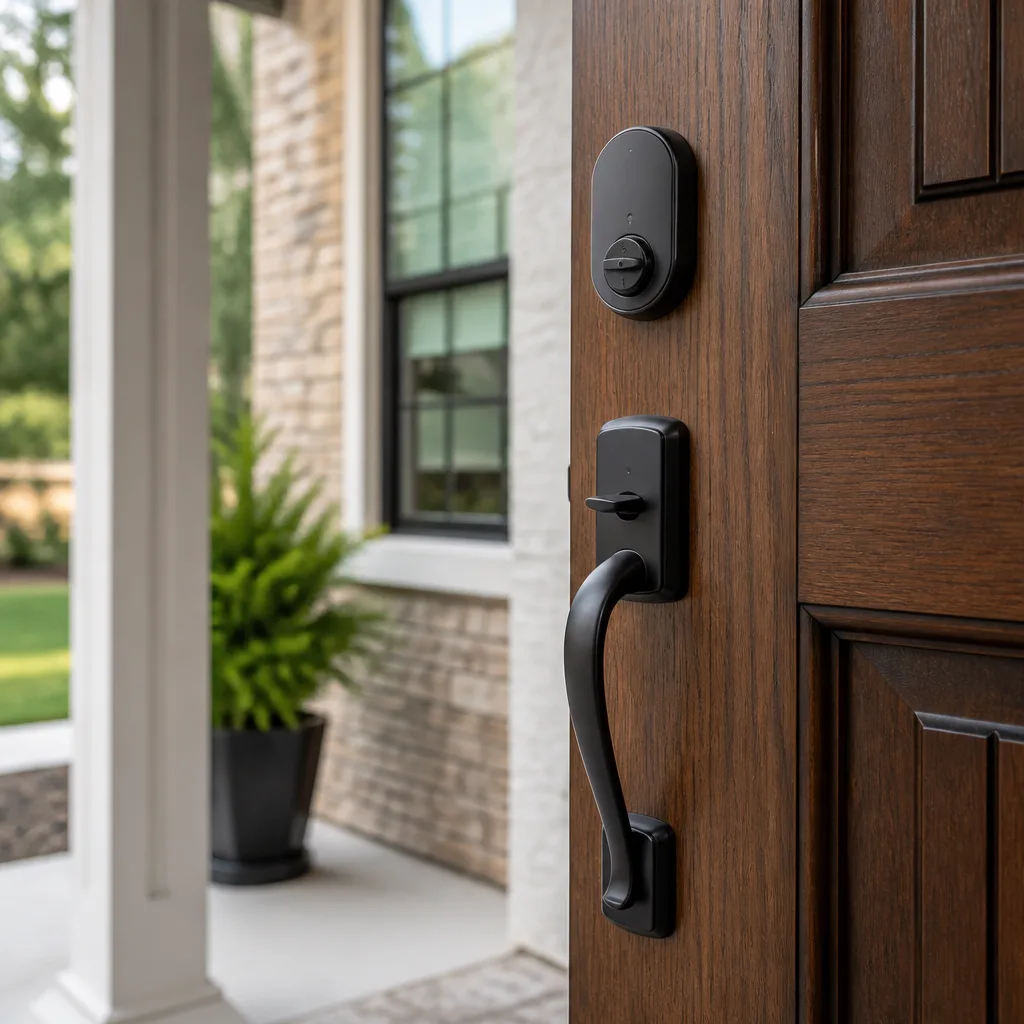 Smart locks
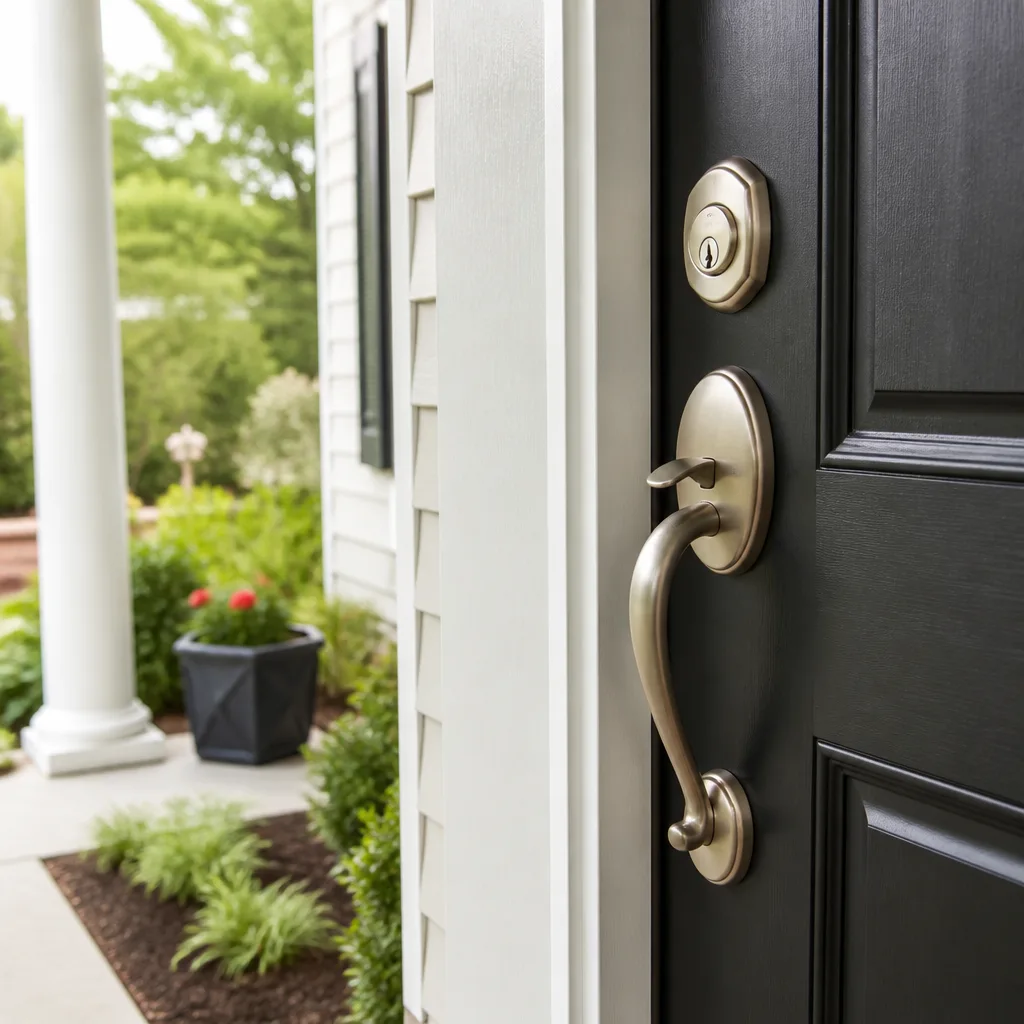 House lockouts
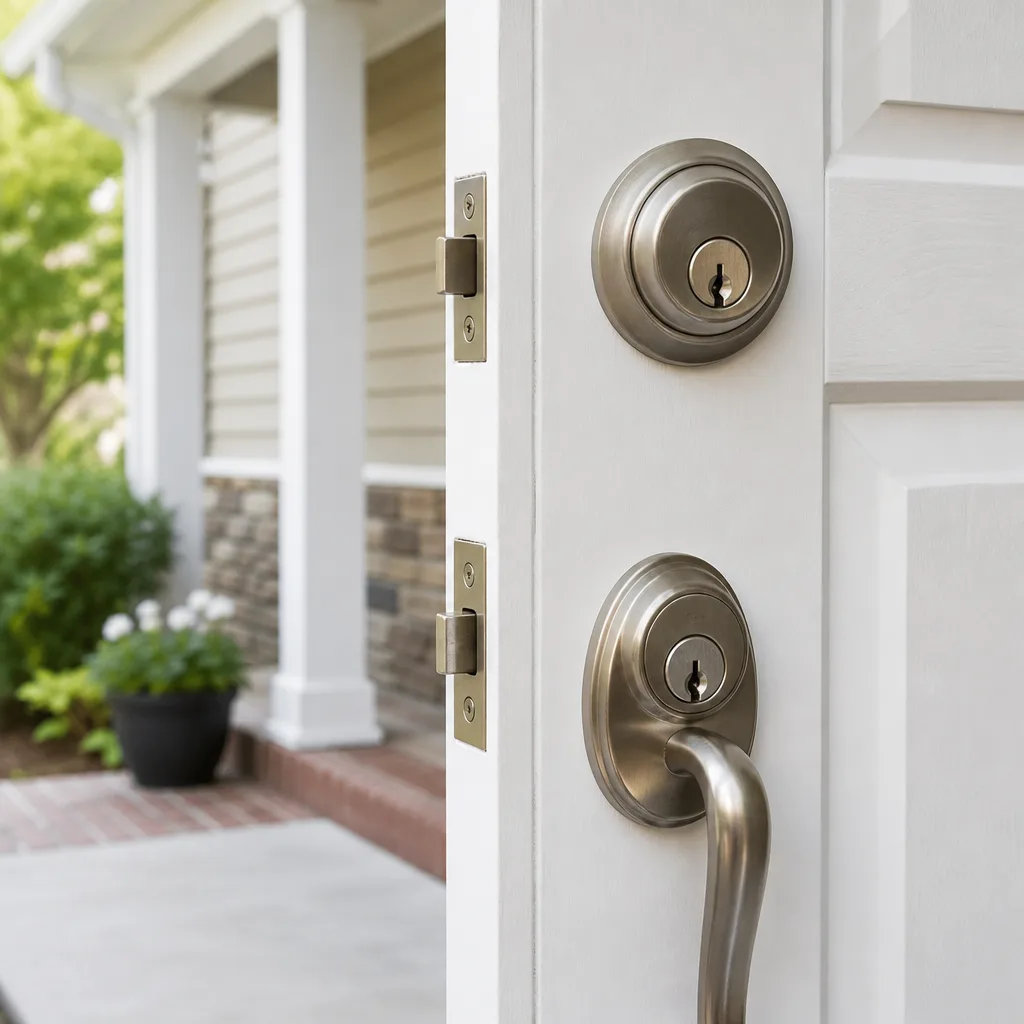 Re-keying
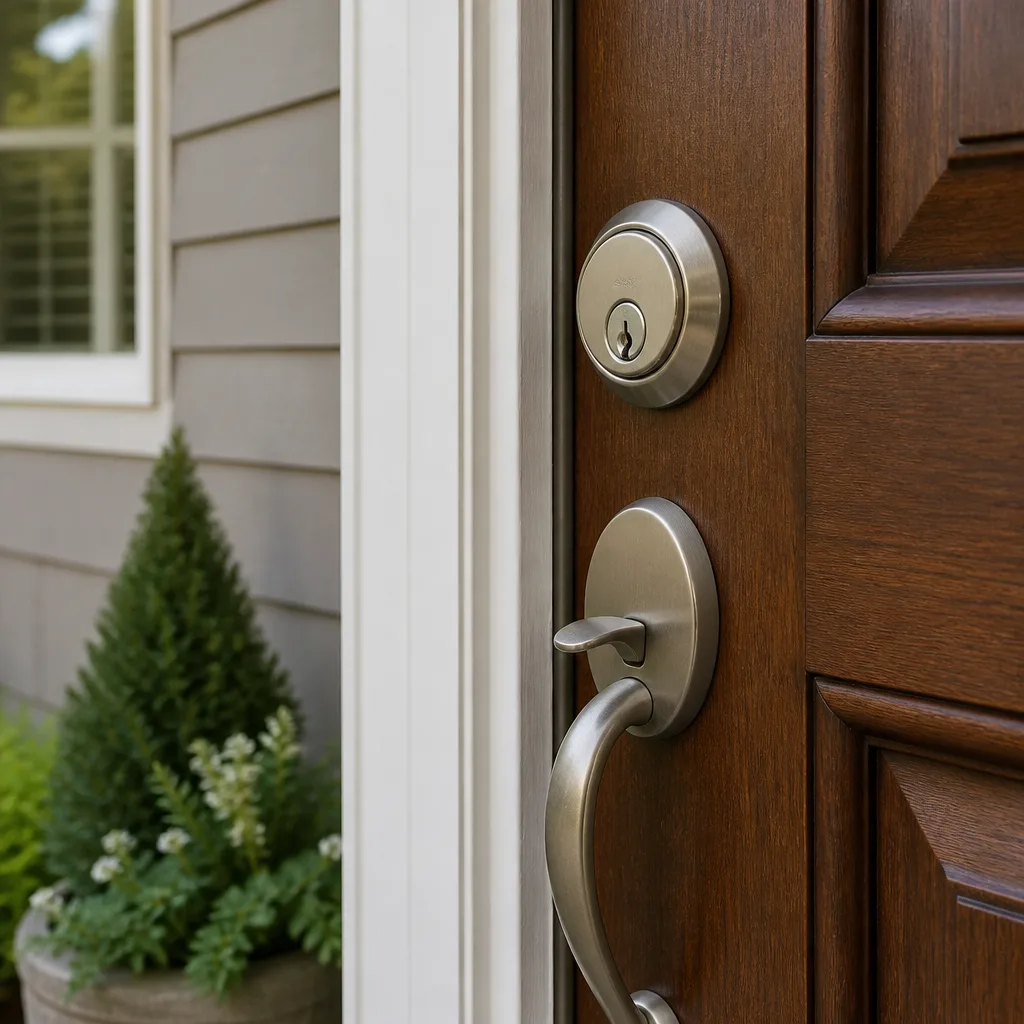 Deadbolt upgrades
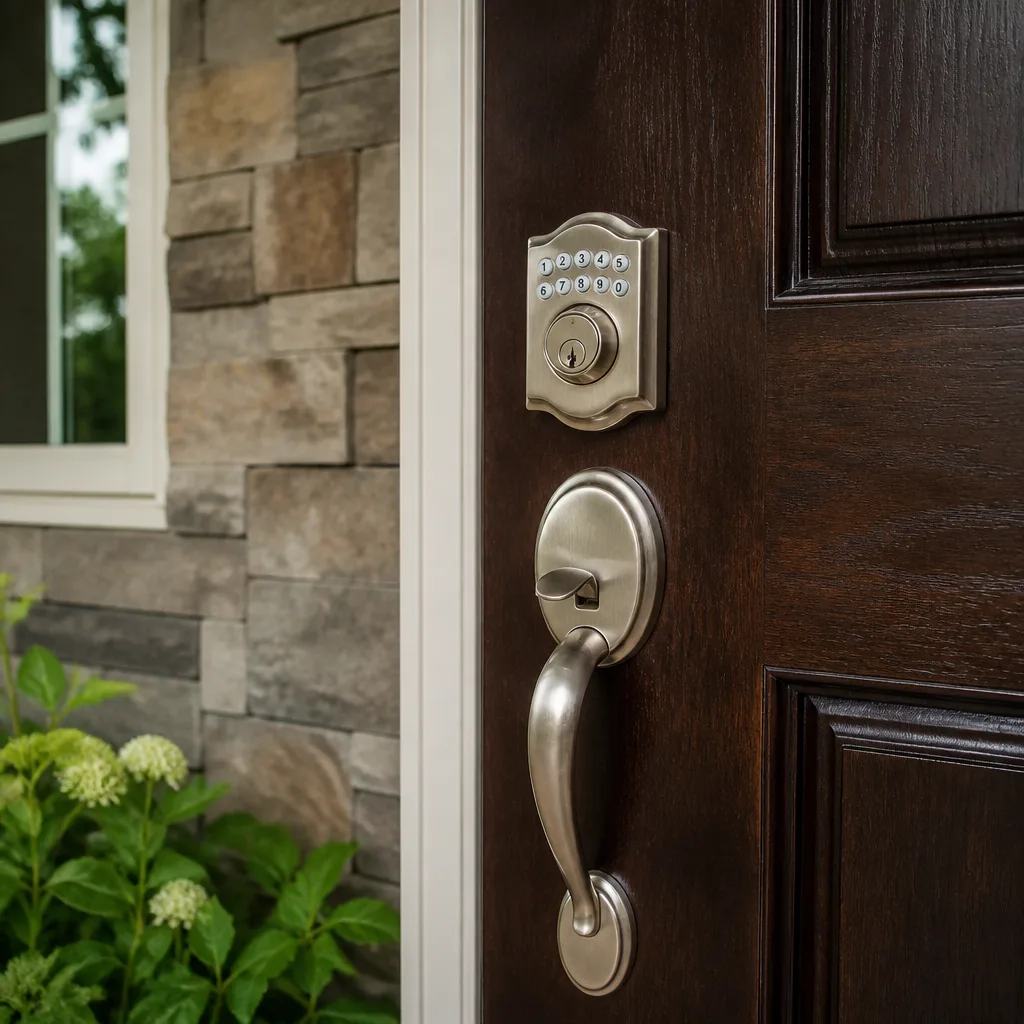 Schlage
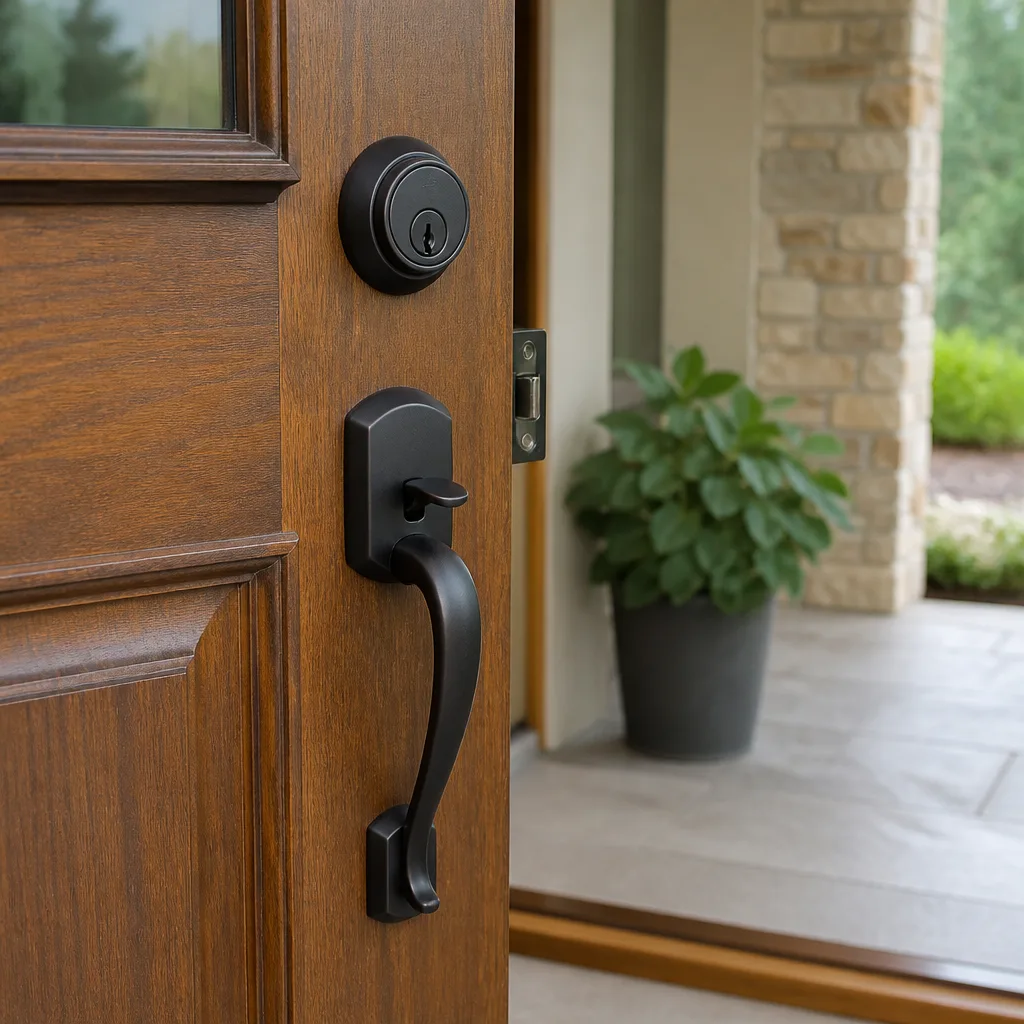 Kwikset
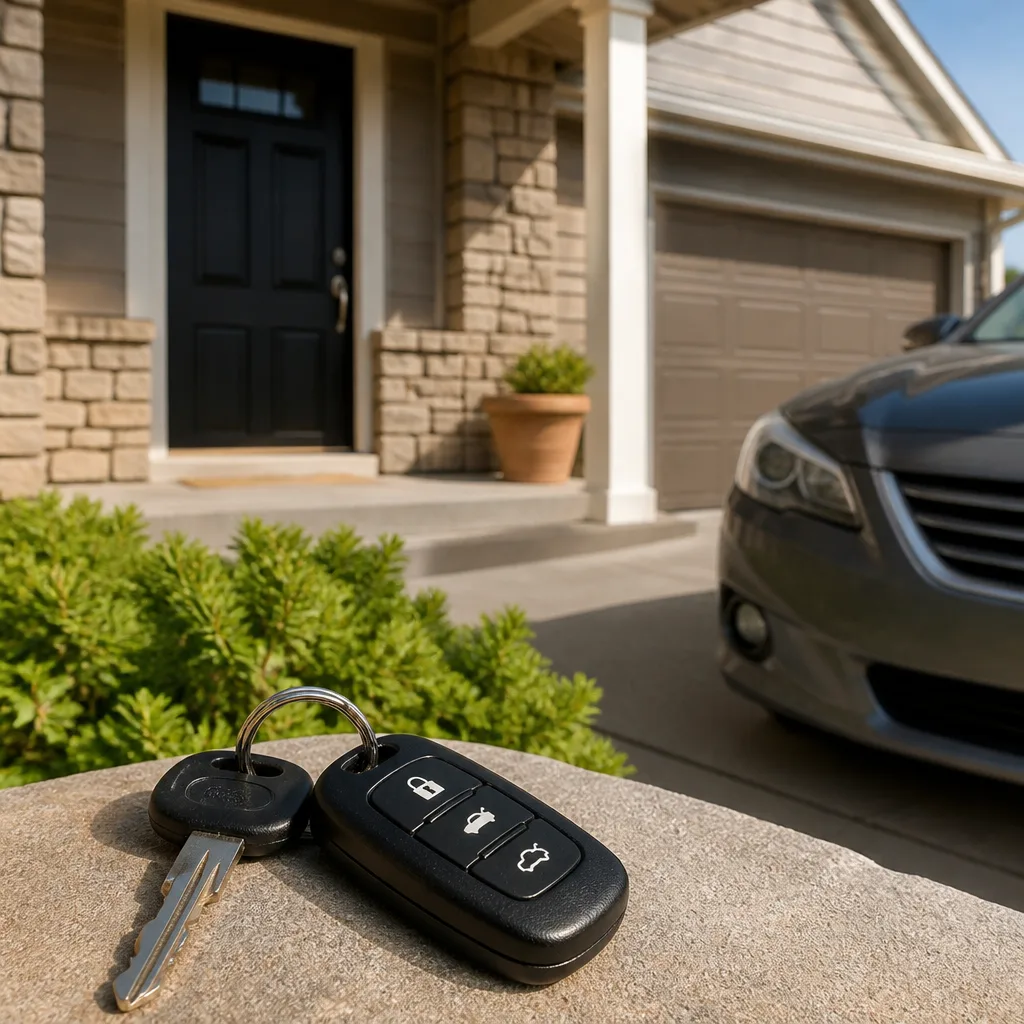 Car keys & fobs
Non-destructive entry first, always - and we re-key Schlage, Kwikset, and Baldwin locks on the spot while you watch
You get a price before we start. It does not change when we arrive. No surprises.
Get your free estimateHow to Hire a Locksmith Contractor in Anaheim: A Step-by-Step Guide
There are locksmith phone farms operating in Anaheim right now that list fake local addresses, answer calls under dozens of different business names, and dispatch unlicensed technicians who have never held a professional credential. They have mastered the art of looking legitimate. Their Google listings have five stars, their websites are polished, and their phone operators sound professional. Most vetting checklists won’t catch them because they are designed specifically to pass those checklists. This guide gives you a concrete process that filters out bait-and-switch operators using the exact tactics those operators use to appear real, and you can find more guides & resources on our blog. By the time you finish reading, you will know precisely how to verify a locksmith’s Anaheim credentials before anyone touches your door, your car, or your security hardware.
Styles & brands we work with
Quick Answer
Hiring a locksmith contractor in Anaheim comes down to four hard checks before you agree to anything: confirm the locksmith holds a valid California locksmith license through the Bureau of Security and Investigative Services (BSIS), verify their physical Anaheim address is real and not a virtual office, get a written estimate with a binding price before anyone is dispatched, and ask who exactly will show up and what company name will be on the invoice. For details on what you should expect to pay, see our Locksmith Cost Breakdown: The Anaheim Homeowner’s Reference for 2026. If a locksmith cannot clear all four checks in under five minutes on the phone, hang up and call the next one.
Table of Contents
- The Three California License Checks Every Anaheim Homeowner Should Run
- How to Verify a Locksmith’s Physical Anaheim Address Is Real
- The Exact Questions to Ask on the Phone Before Anyone Arrives
- How to Get a Binding Written Estimate
- Red Flags Specific to Emergency Lockout Calls
- Rekey vs. Replace: What the Right Locksmith Should Tell You
- Common Mistakes to Avoid
- When to Call a Professional
- Frequently Asked Questions
- The Bottom Line
The Three California License Checks Every Anaheim Homeowner Should Run
Hiring a locksmith in Anaheim is a trust problem first and a price problem second. California has specific licensing requirements for locksmiths, and the scams that operate in Orange County exploit the gap between what homeowners assume is regulated and what actually gets enforced. Here are the three checks you should run before letting anyone touch your locks, and what each one actually tells you.
- BSIS License Check (the one that matters most). California requires locksmith companies and locksmith employees to hold a license issued by the Bureau of Security and Investigative Services under the Department of Consumer Affairs. This is the credential that separates a legitimate operator from a phone farm. Ask for the BSIS license number on the phone, then verify it directly on the BSIS license lookup page. A real locksmith will recite the number without hesitation. A phone farm will stumble, transfer you, or claim the license is “in another truck.” In our experience, that hesitation is the single most reliable signal of a problem before anyone arrives at your Anaheim home.
- CSLB Check (for contractor-level work). The Contractors State License Board regulates contractors who perform larger installation projects, like door hardware retrofits on commercial properties. If your job is a straightforward lock rekey, lockout, or car key replacement, the BSIS license is the governing credential. But if someone is installing new door hardware as part of a larger project, ask whether the work falls under CSLB jurisdiction and confirm any CSLB number they provide at cslb.ca.gov. What this check tells you: the company understands California’s layered licensing structure, which phone farms never do.
- BBB Check (for pattern-spotting, not credibility). The Better Business Bureau is not a licensing agency, and a BBB profile does not make a locksmith legitimate. What a BBB check does reveal is complaint patterns. A locksmith operating under five business names may have five BBB profiles, each with a different complaint history. Search the phone number they give you, not just the business name. If that phone number appears attached to multiple locksmith business names across Anaheim, Fullerton, Santa Ana, and Garden Grove, you are almost certainly talking to a phone farm.
Running all three checks takes about five minutes on your phone. That five minutes is the difference between a specialist who can work on Schlage, Kwikset, and Medeco hardware and a subcontracted technician who has never seen your lock brand before.
How to Verify a Locksmith’s Physical Anaheim Address Is Real
Phone farms list addresses that do not exist. They use virtual offices, UPS Store mailboxes, empty lots, and sometimes the addresses of unrelated businesses. Their entire model depends on looking local without being local. Anaheim’s dense commercial corridors, especially around the Platinum Triangle and along Lincoln Avenue, make this easy because there are hundreds of industrial and office suites that can be listed without anyone noticing a locksmith never operated from one of them.
Here is the concrete process we recommend for verifying a physical Anaheim address:
- Put the street address into Google Maps Street View. Look at what is actually there. If the address is a UPS Store, a coworking space, a gas station, or an empty storefront, that is your answer. A legitimate locksmith operation usually has some physical footprint: a storefront with lock hardware visible through the window, a service van parked outside, or at minimum a unit in a commercial complex that looks occupied.
- Search the address itself, not the business name. Copy the exact street address into Google and see what businesses come up. If the same address is listed for a locksmith, a carpet cleaner, an appliance repair service, and a tax preparer, you are looking at a virtual office address shared by dozens of businesses. No locksmith actually works there.
- Ask the dispatcher a specific question about the location. On the phone, ask what cross streets their Anaheim location is near. A real business answers instantly: “We’re just off State College near the 91.” A phone farm operator will pause, put you on hold, or give a vague answer like “we’re in the Anaheim area.” That pause is them searching Google Maps.
- Ask if you can pick up a part or drop off a lock at the shop. A physical locksmith shop that rekeys locks on-site will generally say yes. A phone farm will say they “only do mobile service” and then deflect. Mobile-only service is not automatically a red flag, some legitimate locksmiths run lean mobile operations. But a mobile-only operation with a fake-looking address and a hesitant dispatcher is a pattern that should end the call.
We have seen customers spend an hour driving to what they thought was a locksmith shop in Anaheim, only to find a mailbox store. Do these checks before you commit to anything.
The Exact Questions to Ask on the Phone Before Anyone Arrives
The phone call is where you detect the bait-and-switch before it reaches your driveway. Here are the exact questions to ask, what a legitimate answer sounds like, and what an evasive answer sounds like. These questions are designed to force a phone farm operator into a corner where the only tools they have are deflection and script-reading.
Question 1: “What is your BSIS license number?”
Legitimate answer: A number recited immediately, with the willingness to have you verify it on the state website while they are on the phone.
Evasive answer: “Our technicians are all licensed.” This is not an answer to the question. Ask again for the company’s specific number. If you get deflection a second time, end the call.
Question 2: “Who exactly will be dispatched, and what name will be on the invoice?”
Legitimate answer: A consistent business name matching the one you called, with a technician’s first name and a clear statement that a licensed locksmith will arrive in a marked or unmarked vehicle that matches the business name.
Evasive answer: “We partner with local technicians.” “Whoever is closest.” “The technician’s own company name will be on the receipt.” All three indicate you are talking to a dispatch service, not a locksmith. The technician who shows up will work for a different company than the one you called, and the invoice will not match.
Question 3: “What is your price for [your specific job]?”
Legitimate answer: A clear number or a narrow range, after one or two clarifying questions about the lock or vehicle. For a standard home lockout in Anaheim, you might hear something like “$75 to $150 depending on the lock type, and I can confirm that price before the technician leaves.” For a car key replacement, the legitimate answer will include a question about the year, make, and model because programming requirements vary widely.
Evasive answer: “It depends on what we find when we get there.” This is the sentence that sets up the classic locksmith bait-and-switch. The technician arrives, quotes a price three times the original estimate, and you are now negotiating in your own driveway under pressure. A legitimate locksmith can give you a firm price over the phone for most jobs, and should provide a written estimate before starting work. Our advice for any Anaheim homeowner: if a locksmith will not give you a firm price over the phone before dispatching someone, do not let that person be dispatched.
Question 4: “Do you have experience with [your specific lock brand]?”
Legitimate answer: Direct recognition of hardware brands. If you mention Schlage, Kwikset, or Baldwin, a trained locksmith will immediately recognize them as consumer and premium residential lines. If you mention Medeco, Mul-T-Lock, or Abloy, a legitimate locksmith with high-security training will recognize those as restricted-keyway high-security lines that require specific tools and registration. A locksmith who hesitates or says “we handle all brands” without naming a single specific hardware line is giving you a scripted answer.
Evasive answer: “We handle all types of locks.” This is technically true of no one. No locksmith handles every brand, and the ones who claim they do are usually the ones who will break your lock and then charge you to replace it.
How to Get a Binding Written Estimate
Here is the legal exposure point most Anaheim homeowners do not understand: when a locksmith will not give you a written estimate before starting work, the final price is whatever the technician says it is once the work is done. You have little recourse, because you verbally approved a service call and the locksmith can claim the job required additional work. The fix is to lock in a binding written estimate before the technician starts any work. Here is the exact process.
- Get the price in writing before the technician arrives, not when they arrive. Ask the dispatcher to text or email you a written estimate for the specific job. The estimate should include the service call fee, labor, parts, and any emergency or after-hours surcharge as separate line items. If the dispatcher will not send a written estimate and insists the technician will provide one on-site, you are not getting a real estimate. You are getting a sales visit.
- Confirm that the phone price is the invoice price. Ask this exact question: “Is the price you just quoted me the total price I will pay when the job is done, assuming the job is what I described?” The answer should be yes, with the caveat that additional parts or work would be quoted and approved separately. What you are eliminating is the surprise “convenience fee,” the surprise “special lock surcharge,” and the surprise “this lock is harder than we thought” upcharge.
- Understand what “it depends on what we find” actually means for your legal position. In California, an oral contract for services has weight, but proving what was quoted and what was agreed is nearly impossible after the fact. A written estimate is your proof. When a locksmith refuses to provide one, they are not just being difficult, they are preserving their ability to change the price without consequence.
- Ask for the written estimate to include the exact scope. For a rekey, the estimate should list how many lock cylinders are being rekeyed and the specific hardware brand. For car key replacement, the estimate should list the year, make, model, and whether a transponder key, fob, or proximity key is being programmed. A scope in writing is the only thing that prevents a “that was never included” conversation after the work starts.
We tell every customer we work with in Anaheim the same thing: the full price is quoted on the phone before anyone is dispatched, and that is the price on the invoice. There is no call-out surcharge added on arrival. If a locksmith will not give you that same commitment, find one who will.
Red Flags Specific to Emergency Lockout Calls
Emergency lockout calls are where the scam operators make most of their money. You are locked out of your Anaheim home or car, it might be late at night, you are stressed, and you want the problem solved now. Your guard is down, which is exactly when a bait-and-switch operator is most effective. Here are the red flags specific to emergency lockout situations, in the order you are likely to encounter them.
- No fixed price given over the phone for the lockout itself. A lockout is one of the most priceable jobs in locksmithing. The locksmith does not know what the lock looks like until they arrive, but they know exactly what it costs to come out. If they will not give you a firm quote before dispatching, you are dealing with someone whose business model is the on-site upsell. Our Emergency Locksmith in Anaheim page covers what a standard lockout should actually cost.
- The dispatcher asks you to describe your lock in detail before quoting. This sounds like diligence, but in an emergency it is often a setup. The dispatcher asks whether the lock is “high security,” then uses whatever you say as justification for a higher price. A trained locksmith can open most residential deadbolts and knob locks with the same basic tools, and the on-site technician will assess the hardware in person.
- The technician arrives and immediately tells you the lock must be drilled. Drilling a lock is a last resort, not a first option. A competent locksmith opens most residential locks non-destructively. If a technician arrives at an emergency lockout and says the lock needs to be drilled within the first few minutes, without trying to pick or bypass it first, get a second opinion. The drill is often the upsell: drill the lock, then charge you for a replacement lock and installation.
- The technician asks for payment before the work is complete. This is a hard stop. No legitimate locksmith requires payment before the lock is open or the key is cut and programmed. Payment after completion is the standard. Payment before completion is a red flag that you are dealing with someone who has no intention of standing behind the work.
- The technician does not arrive in a marked vehicle or arrives in a vehicle marked with a different company name. Not every locksmith operates with a fully wrapped branded van, especially smaller operations. But a technician who arrives in a completely unmarked personal vehicle, asks you to pay in cash, and will not show you a BSIS license is a problem. A licensed locksmith in California is required to carry their BSIS license. Ask to see it. In an emergency, this feels awkward, but it is the exact moment that matters most.
When you are locked out, the instinct is to call the first number that comes up. That is precisely the moment to slow down, ask the price question, and get the answer in writing before you agree to the dispatch.
Rekey vs. Replace: What the Right Locksmith Should Tell You
Here is a scenario we see constantly with Anaheim homeowners and property managers: someone moves into a new home, loses a key, or ends a relationship, and the first instinct is to replace all the locks. A knowledgeable locksmith will ask one question before recommending anything: do the locks themselves work properly? If they do, the right answer is usually a rekey, not a replacement. Rekeying changes the internal pins and springs of the lock cylinder so the old key no longer works. The existing hardware stays in place. The result is the same security outcome at roughly a third to half the cost of full lock replacement. Our Rekey Locks in Anaheim page covers the rekeying process in more detail.
Rekeying is the right call when the lock hardware is in good condition and you simply need to invalidate old keys. This is the situation for most new homeowners in Anaheim, most renters who have recently moved into a new apartment, and most people who have had a key go missing. Full replacement is the right call when the hardware itself is worn out, damaged, or when you want to upgrade to a different brand or security grade. If a locksmith pushes you toward full replacement without asking about the condition of your existing hardware, get a second opinion. The locksmith who recommends a rekey is saving you money. The one who skips straight to replacement is selling you hardware you may not need. That distinction separates the specialists from the salespeople.
Brand matters in this conversation more than most homeowners realize. A technician who routinely works with Schlage and Kwikset will rekey those locks quickly and correctly because the pinning kits are standard. A technician who works with Medeco or Mul-T-Lock will handle restricted keyways that require authorization cards and specialized pinning equipment. A technician who has never touched a Mul-T-Lock will not tell you that until the lock is disassembled on your front steps. Ask the brand question before anyone starts the job.
Common Mistakes to Avoid
- Calling the first Google Ads result without checking the address. The top sponsored listings in Anaheim locksmith searches are frequently national lead-generation phone farms that buy local keywords and route calls to whoever will pay the referral fee. The first result is not always a scam, but it is the result you need to vet most carefully.
- Accepting a quote that does not include line items. A real estimate separates labor, parts, service call, and any emergency surcharge. A vague lump-sum quote is a blank check with your signature not yet applied.
- Letting anyone work on your lock without seeing a BSIS license. It takes five seconds to ask and a legitimate technician will respect the question. A technician who gets defensive about it is telling you something.
- Paying cash to a technician who cannot provide an invoice. Cash payment plus no paperwork equals no proof the work ever happened and no recourse if it was done badly. Get a written invoice with the business name, address, phone number, and the exact work performed.
- Assuming a high Google rating means legitimacy. Phone farms build fake ratings systematically. A five-star rating with two hundred reviews and no written comments is a pattern worth investigating, not a trust signal.
- Accepting a “drill it and replace it” recommendation without a second opinion. Drilling is occasionally the right answer for severely damaged or highly specialized high-security locks. It is not the right answer for a standard Schlage or Kwikset deadbolt that a trained locksmith can pick or bypass in minutes.
- Not asking whether the technician handles your specific hardware brand. If you have a Baldwin lock on your Anaheim Hills front door, ask whether the locksmith has worked with Baldwin hardware before. If they have not, they will learn on your lock, and learning on your lock means a higher chance of a broken lock and a rushed replacement.
When to Call a Professional
Some locksmith jobs are genuinely unsafe to attempt without training, and others are simply not worth the cost of trying and failing. Call a professional if you are locked out and cannot get back in without damaging the door or frame. Call if you have lost the only key to a door and need a rekey. Call if you need a car key replacement with transponder or proximity programming. Call if you have a high-security lock from Medeco, Mul-T-Lock, or Abloy that requires restricted key duplication. Call if a previous locksmith drilled a lock and left the cylinder damaged. Anaheim Locksmiths offers free estimates in Anaheim for all of these situations. Call (855) 382-0290 and a locksmith will give you a firm price before dispatch.
Most of the locksmith work in Anaheim is straightforward: a Kwikset deadbolt that needs rekeying, a Schlage knob that needs new pins, a worn key that needs duplicating. These jobs do not require emergency-level urgency, and they benefit from a locksmith who takes the time to match the hardware exactly. The key is knowing when the job is routine enough to schedule and when it is urgent enough to demand immediate professional attention. The answer to that question comes from one simple test: are you currently locked out, or are you not? If you are not locked out, you have time to vet the locksmith properly. If you are locked out, the vetting process matters even more, because the urgency creates the scammer’s opportunity.
Frequently Asked Questions
A standard residential lockout in Anaheim typically costs $75 to $150, a lock rekey typically runs $20 to $40 per cylinder plus a service call fee, and a car key replacement with programming can range from $120 to $350 depending on the vehicle’s year, make, and model. These ranges reflect the Anaheim market for legitimate licensed locksmiths. Any quote significantly below the low end is likely a bait price. Any quote significantly above the high end without a clear reason is likely an upsell attempt. Call (855) 382-0290 for an exact quote on your specific job, estimates are free.
With a legitimate Anaheim locksmith, yes, the phone quote should be the invoice price for the job as described. The way to guarantee this is to ask for the price in writing before dispatch and to confirm that no surcharge will be added on arrival. If a locksmith will not commit to a written price before dispatching someone, do not let them dispatch someone.
Ask for the company’s BSIS license number, then look it up on the Bureau of Security and Investigative Services license verification page while the dispatcher is on the phone. For a deeper look at regulatory requirements, see Locksmith Permits, Codes & Inspections in CA: What You Need to Know. A legitimate locksmith will provide the number immediately and will not mind waiting while you verify. A licensed locksmith in California is required to carry proof of licensure, so you can also ask the technician to show their BSIS license when they arrive.
If your existing locks are in good working condition and you simply need to invalidate old keys, rekeying is the right option and typically costs a third to half of full replacement. The pins inside the cylinder are replaced so the old key no longer works, but the hardware stays in place. Replacement only makes sense when the hardware is worn, damaged, or when you want to change brands or security grades.
Yes, car key replacement is generally a same-day service in Anaheim for most makes and models, including keys with transponder chips and remote fobs that require programming. The exact time depends on the vehicle and whether the key is a standard transponder key or a proximity smart key. To get a firm quote, call with your exact year, make, and model. Our Car Key Replacement in Anaheim page covers the process.
A rekey changes the internal pins of the existing lock so the old key no longer works. A lock change removes the entire lock cylinder or deadbolt and installs a new one. Rekeying preserves the existing hardware and is the right choice when the locks are functional. A lock change is right when the hardware is worn, damaged, or when you are upgrading to a different brand or security level. The average rekey costs less than half what a full replacement costs, and the security outcome is identical for most homeowner concerns.
The Bottom Line
Hiring a locksmith in Anaheim requires a different vetting process than hiring a plumber or an electrician, because the locksmith trade has a scam problem that other home services do not. Phone farms with fake addresses, unlicensed technicians, and bait-pricing models operate in and around Anaheim because the economics of it work. The defense is simple: verify the BSIS license, verify the physical address, get a written estimate before dispatch, and ask who exactly will show up. A legitimate locksmith clears all four checks in under five minutes. Anyone who will not is not worth your door. Anaheim Locksmiths has been built as the answer to this problem: one call covers car key replacement, emergency lockouts, and rekeying, with pricing locked before dispatch. Call (855) 382-0290 for a free estimate, and visit the Anaheim Locksmiths home page to see the full scope of services.
Written by the team at Anaheim Locksmiths, serving Anaheim since 2015.