
Last updated October 30, 2026
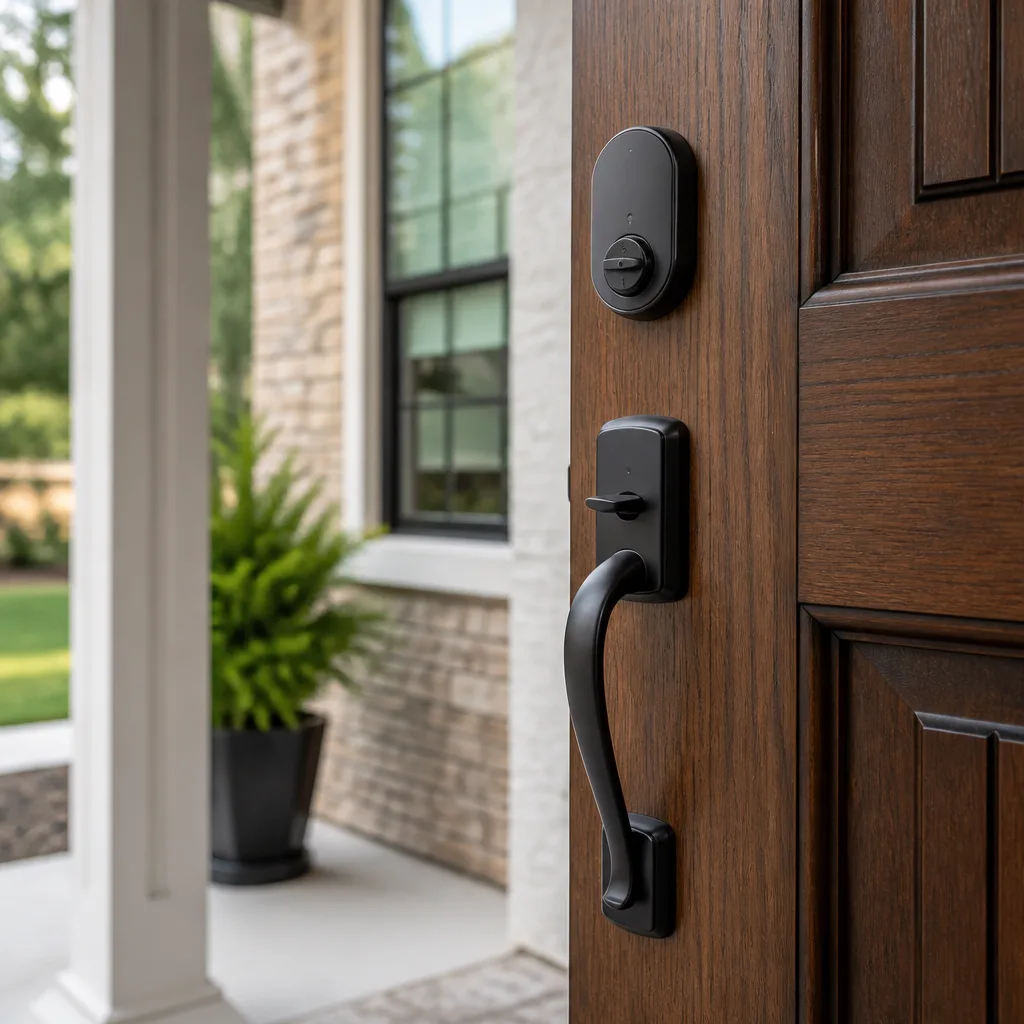 Smart locks
 House lockouts
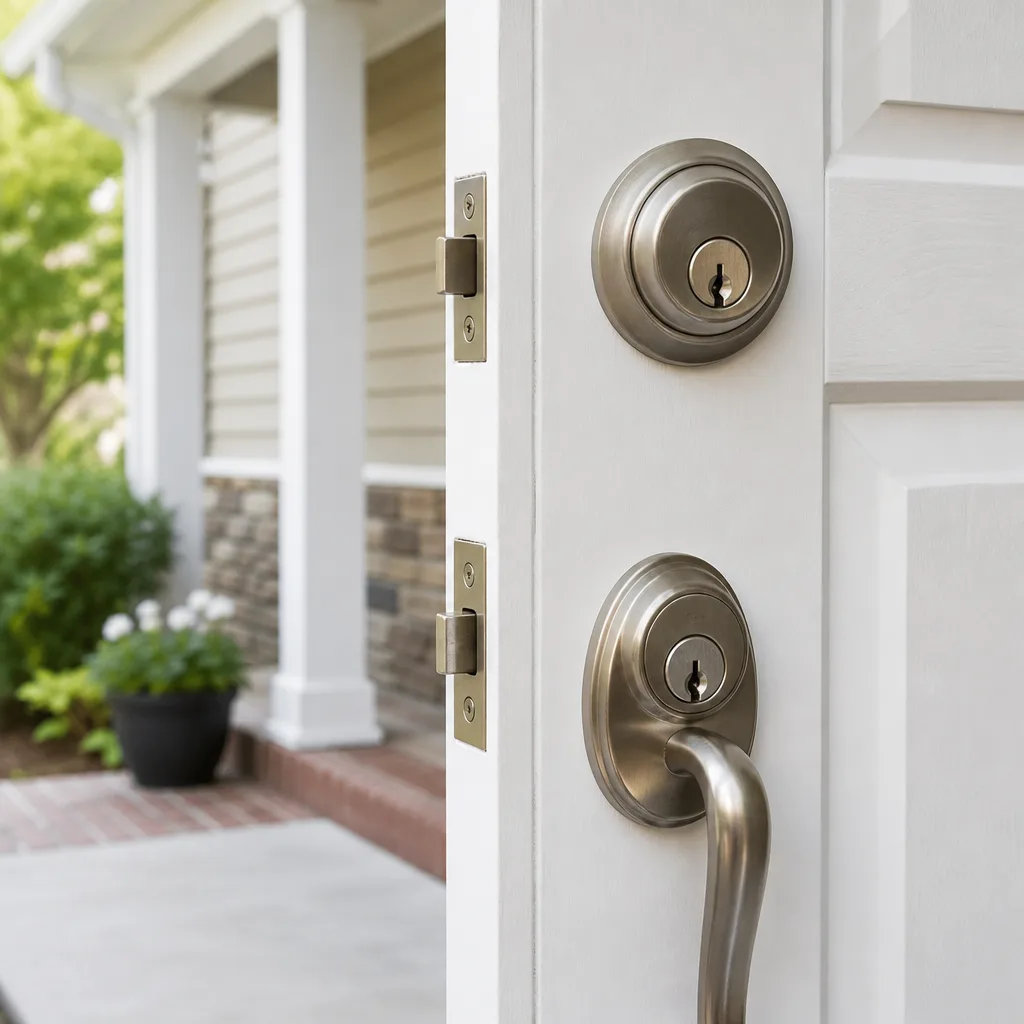 Re-keying
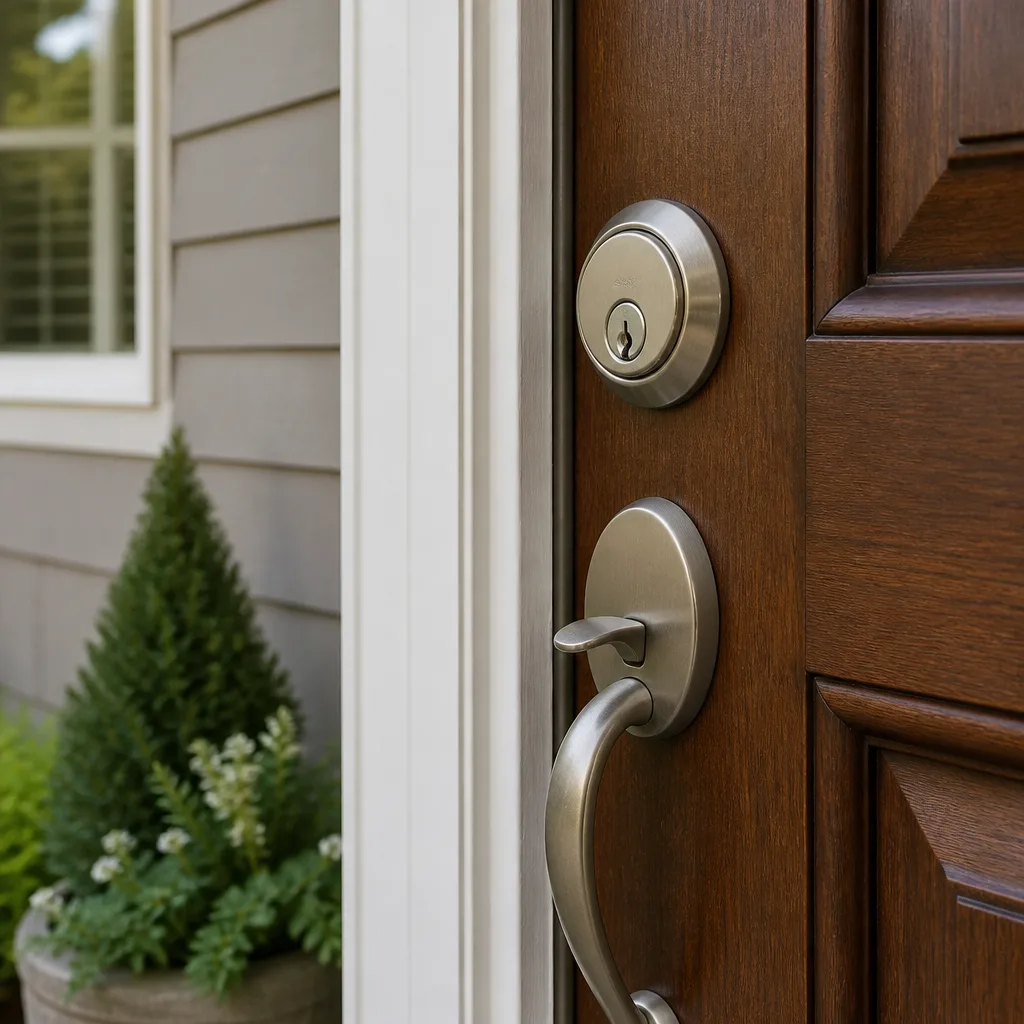 Deadbolt upgrades
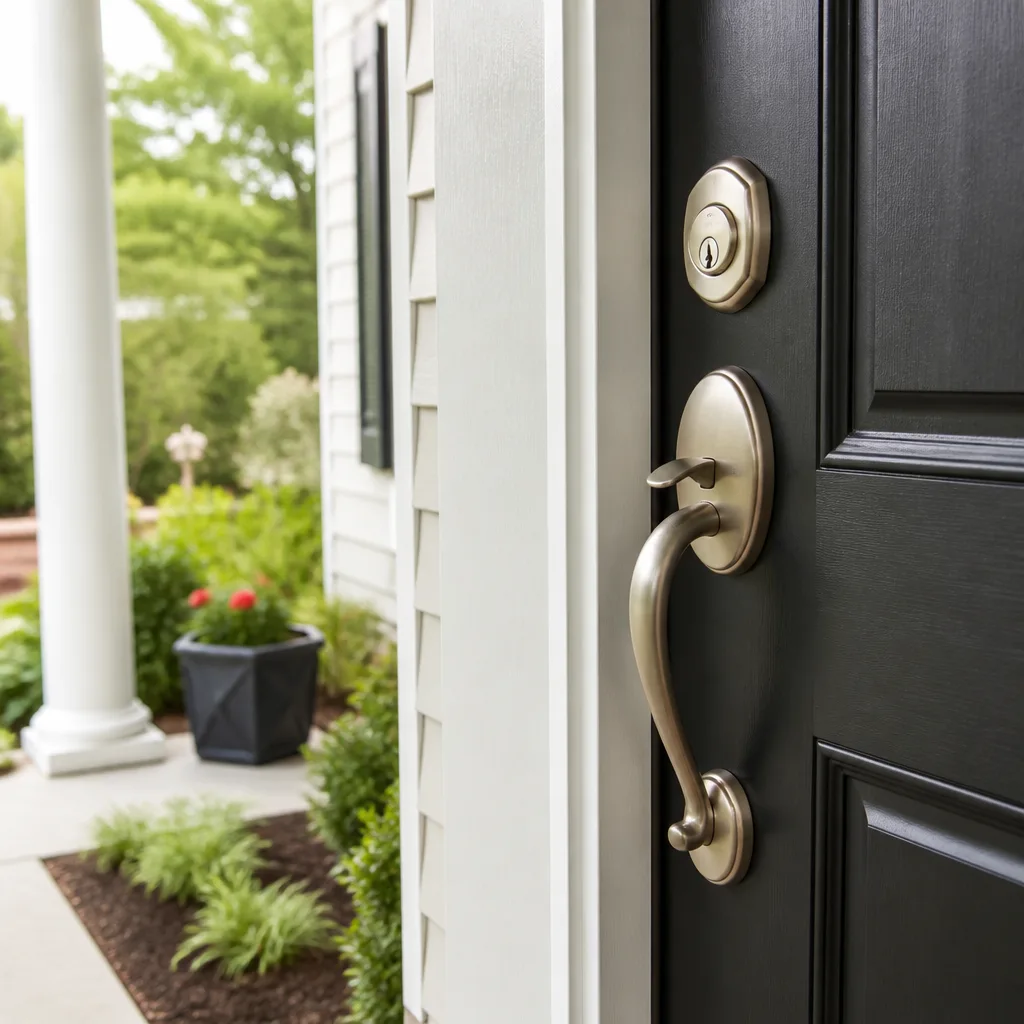
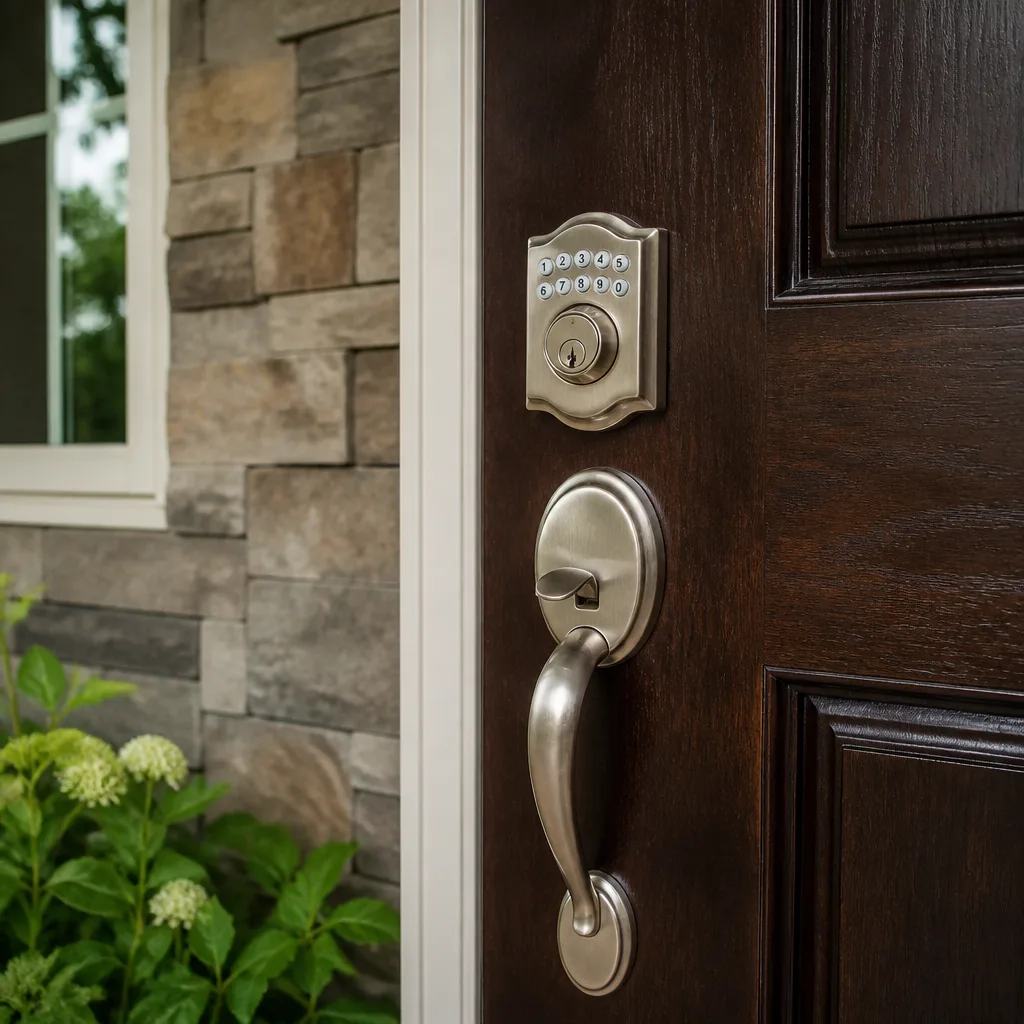 Schlage
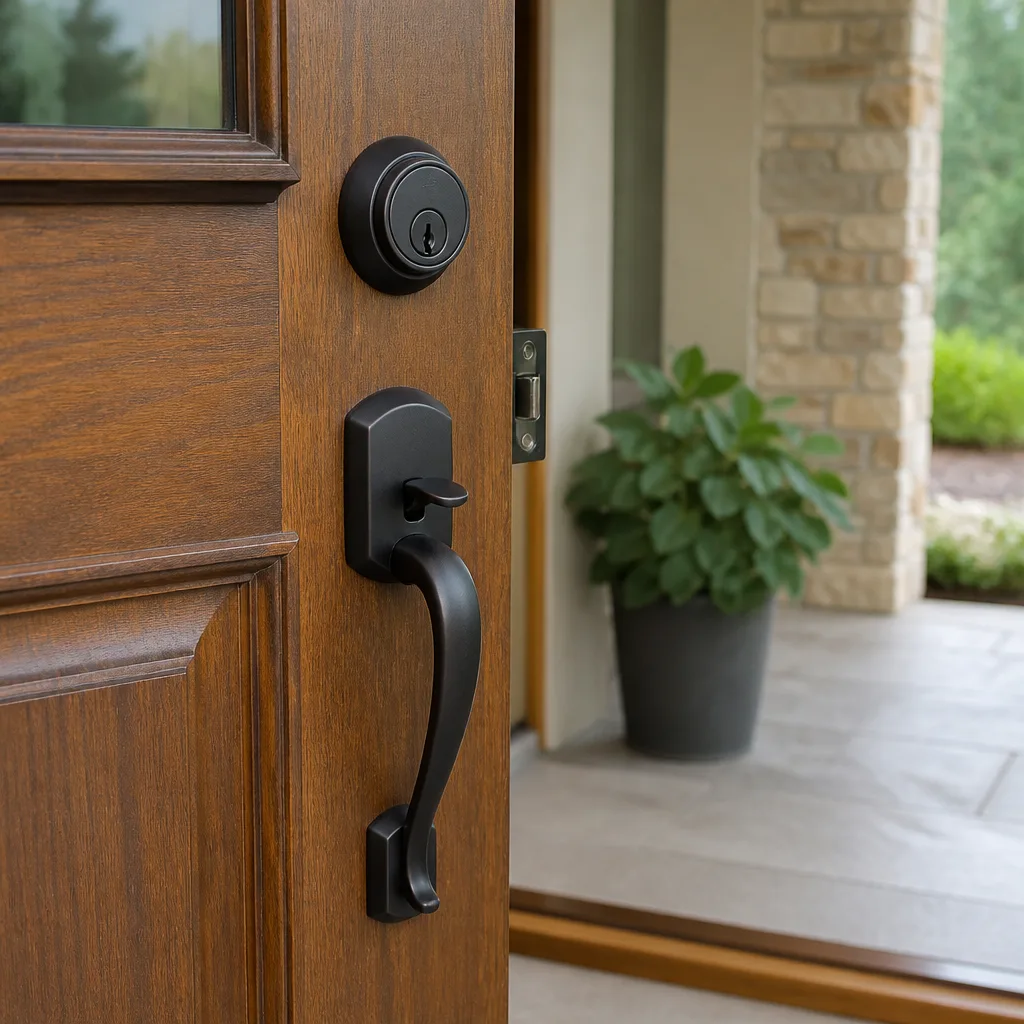 Kwikset
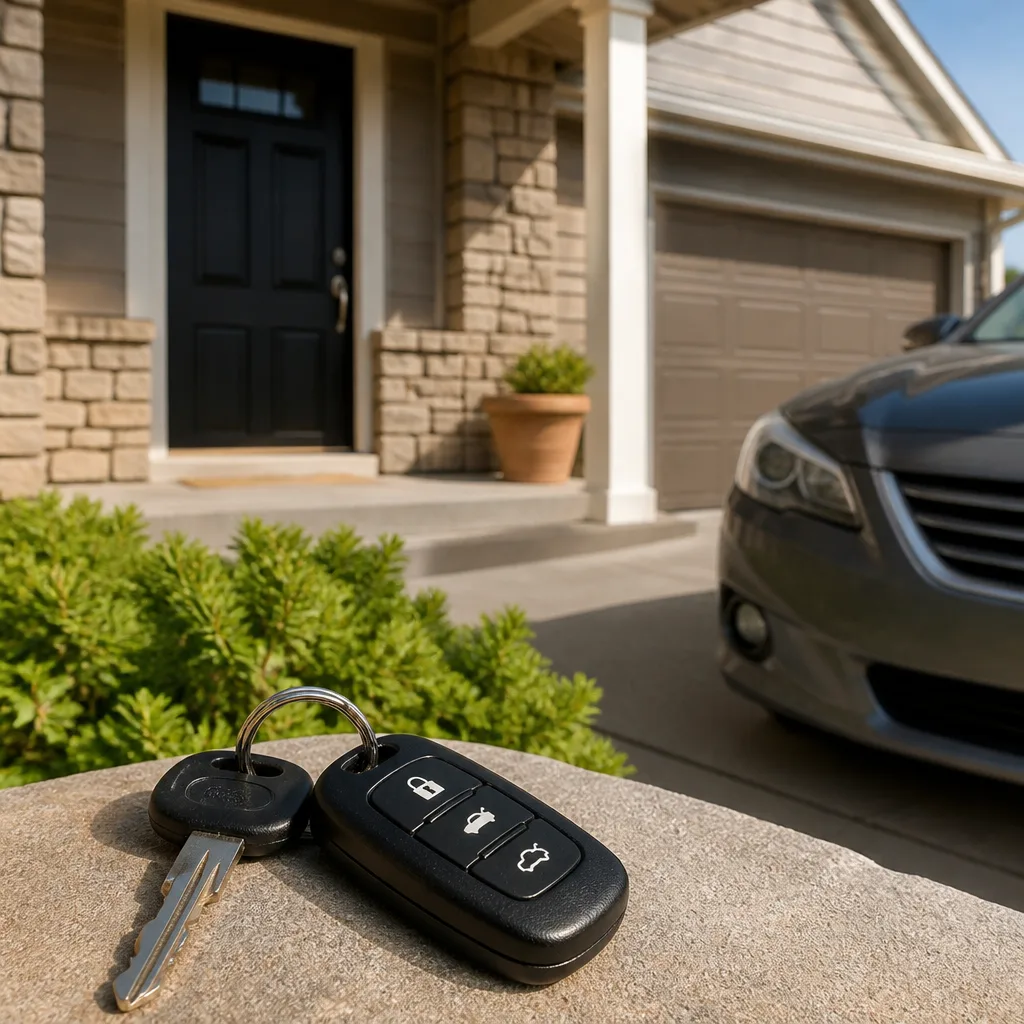 Car keys & fobs
Non-destructive entry first, always - and we re-key Schlage, Kwikset, and Baldwin locks on the spot while you watch
You get a price before we start. It does not change when we arrive. No surprises.
Get your free estimateLocksmith Emergency Preparedness Guide for Anaheim Homes
Most Anaheim homeowners don’t think about locksmiths until they’re standing on a dark porch at 11pm, keys hanging in the kitchen, phone battery at 14%. At that moment, you’re not making a rational choice. You’re making a desperate one. And the locksmith industry knows it. Bait-and-switch operators flood search results for exactly this scenario, promising $19 service calls that turn into $400 invoices before the drill comes out. This guide and our Locksmith Warning Signs: A Anaheim Homeowner’s Reference Guide are built on a different premise: the homeowners who avoid these traps aren’t lucky. They’re prepared. In the next 20 minutes of reading, you’ll learn how to document your locks, pre-vet a legitimate Anaheim locksmith, respond correctly to a break-in, and build a key system that prevents most emergencies before they start.
Styles & brands we work with
Quick Answer
Locksmith emergency preparedness for Anaheim homes means having three things in place before anything goes wrong: a documented lock inventory for every door and access point, a pre-vetted locksmith’s number saved in your phone, and a key management system that eliminates the most common lockout causes. Homeowners who do this spend 20 minutes once, then never make a panicked, overpriced decision at 2am again.
Table of Contents
- The Household Lock Emergency Card: What to Record Before You Need It
- How to Pre-Vet an Anaheim Locksmith Before You’re Desperate
- Break-In Response Protocol: The First 60 Minutes
- Building a Key Management System That Prevents Lockouts
- What Information to Have Ready When You Call in a Crisis
- Anaheim-Specific Considerations: Climate, Housing Stock, and Lock Hardware
- Common Mistakes to Avoid
- When to Call a Professional
- Frequently Asked Questions
- The Bottom Line
The Household Lock Emergency Card: What to Record Before You Need It
Every Anaheim home has a lock system. Very few have a written record of it. When a lock fails, a key breaks, or a door is kicked in, the locksmith who arrives will ask you a series of questions. If you can answer them from a document instead of from memory under stress, the job goes faster and the quote stays honest. Here’s what our technicians ask on nearly every residential call, and what you should write down today.
What to Record for Every Door and Lock
- Location of each lock: front door, back door, garage entry, side gate, storage room, mailbox. Be specific. “Back door off kitchen” is more useful than “rear entrance.”
- Brand stamped on the lock or key: Look at the face of the deadbolt or the key bow. Common Anaheim residential brands include Schlage, Kwikset, Yale, and Baldwin. If you see a name like Medeco or Mul-T-Lock, you have a higher-security cylinder and the locksmith needs to know before dispatching.
- Type of lock: deadbolt (single or double cylinder), knob lock, lever handle, mortise lock, smart lock. Note whether the deadbolt requires a key on both sides. That matters for fire code and for how the lock is opened.
- Key type: standard cut key, restricted keyway, or electronic fob. If the key says “Do Not Duplicate” or has a brand-specific shape, note it.
- Condition details: does the deadbolt stick in summer heat? Does the knob spin without engaging? Has a key ever broken off inside? Write down anything you’ve noticed. It helps us diagnose before we arrive.
- Number of keys in circulation: who has a key right now? Family members, a neighbor, a house cleaner, a former tenant? Knowing this determines whether rekeying or replacement is the right call.
Where to Store the Card
Not in a drawer that locks. Not on your phone only. Print it and keep it with your homeowner’s documents, plus a photo on your phone. If you’re locked out, you’ll have your phone. If your phone is lost, you’ll have the printout. In our experience with Anaheim properties, the homes that hand us a written lock inventory on arrival are the ones that avoid the most miscommunication about scope and price.
How to Pre-Vet an Anaheim Locksmith Before You’re Desperate
You will not successfully research a locksmith while standing on your porch in the dark. You will pick the first number that appears on Google, and if that number routes to a call center in another state, you’ll get a “technician” who may or may not know how to work on your specific lock brand. The alternative is a 10-minute vetting call made in advance, during daylight, when you have time to ask questions and compare answers. Here’s the exact process we recommend for Anaheim homeowners.
The 3-Question Vetting Call
- “When I call you on a Saturday night, who answers?” The answer should be a human being connected to the actual Anaheim service area, not a national dispatch center. If they can’t tell you which neighborhoods they cover in Anaheim, they’re likely a middleman selling your job to the cheapest available subcontractor.
- “Can you work on my specific lock brand?” Say the brand name you recorded on your lock card. If they hesitate, ask about high-security brands like Medeco, Mul-T-Lock, Abloy, or Sargent. A locksmith who services these lines has manufacturer-level training. One who doesn’t know what you’re talking about is a generalist who may damage your hardware. High-security brands, handled right, are the difference between a repair and a replacement.
- “Do you quote the full price on the phone before dispatch?” A legitimate locksmith will give you a realistic range based on the job description and lock type, and will honor that price on site barring unforeseen complications. If they dodge the question or quote only a service fee, you’re talking to a bait-and-switch operation.
We tell Anaheim homeowners to make this call to at least two companies, then save the winner’s number in three places: your phone contacts, a written emergency list, and a family member’s phone. The number should also be written on your household lock card. When the emergency happens, you dial the saved number. No searching, no comparing, no vulnerability to whoever paid for the top ad slot that night.
One more point: ask about automotive capability. Car key replacement requires programming equipment that most traditional locksmiths don’t invest in. If you’re pre-vetting for household locks, ask whether the same company handles car keys. One call covers it means you’re not maintaining two separate emergency contacts for two different kinds of lockouts. Our Car Key Replacement in Anaheim page explains what modern vehicle key programming involves, and why it’s a technical capability worth confirming before you need it.
Break-In Response Protocol: The First 60 Minutes
A forced entry is a different animal from a lockout. The lock is damaged, the door frame may be compromised, and your sense of safety is shot. What you do in the first hour determines both your security and the quality of the police report and insurance claim. Here is the ordered sequence we recommend for Anaheim residents, based on what we’ve seen at hundreds of forced-entry scenes.
- Do not enter the home until police arrive and clear it. The intruder may still be inside. Call 911 from outside or from a neighbor’s house. This is not a caution; it’s the rule.
- Once cleared, photograph everything before touching anything. The door, the strike plate, the deadbolt, the door frame, any areas where drawers or items were moved. Do not straighten up. Do not “fix” the lock. Evidence first.
- Inventory what was taken or moved. Write it down before calling your insurer. Include serial numbers for electronics if you have them, which is why your home inventory should be part of your overall preparedness file.
- Call a locksmith to secure the property immediately. Police do not repair doors. They’ll tell you to contact a locksmith or contractor. This is where your pre-vetted number comes in. Tell the locksmith exactly what happened: “kicked-in front door, deadbolt separated from frame, Schlage deadbolt, double-cylinder.” That lets them arrive with the right hardware for repair, not just rekeying.
- Have the locksmith rekey or replace the damaged lock on the spot. If keys were stolen during the break-in, rekeying is mandatory. A rekey changes the internal pins so old keys no longer work, at a fraction of the cost of replacing the hardware. It’s the single most important post-break-in security step. Our Rekey Locks in Anaheim page walks through what rekeying involves and which brands it applies to.
- Ask about reinforcing the door and frame. A forced entry often reveals existing vulnerabilities: a weak strike plate, short screws in the hinge, a hollow door. A professional locksmith can point these out and make recommendations. You don’t have to fix everything that day, but you should know what’s exposed.
Anaheim’s housing stock spans a broad range: 1950s ranch homes with original hardware, 1970s track homes with builder-grade locks, and newer builds with smart locks and premium finishes. We’ve seen forced entries on all of them. What they have in common is that the damage always looked worse than it was, and the repair was always faster when the homeowner had already thought through the sequence.
Building a Key Management System That Prevents Lockouts
Most lockouts are not door failures. They’re key failures. Lost keys, keys left inside, keys never duplicated, spare keys hidden under the doormat and found by the wrong person. The fix is a key management system: a simple set of rules for who has keys, how many exist, and where spares live. Here’s how to build one for an Anaheim home.
The Spare Key Paradox
A spare key only helps if it’s accessible when you’re locked out. But if it’s accessible to you, it’s accessible to anyone who knows where to look. The classic Anaheim solution is a fake rock or a key under the potted plant by the front door. Both are compromises to security that intruders know to check. The better approach is three-tiered:
- Tier 1: A trusted neighbor or nearby relative. Give them one spare key. This solves 80% of lockouts without exposing your property. Choose someone likely to be home during the hours you’re likely to be locked out.
- Tier 2: A locked key safe with a combination. A small wall-mounted or portable key safe costs under $50 and can be installed where it’s not obvious from the street. Change the combination when anyone who knew it moves away or loses your trust.
- Tier 3: A documented key count. Know exactly how many copies of each key exist and who holds them. When a key goes missing, don’t just replace it. Rekey. We’ve had Anaheim customers who could not account for three missing copies of their front door key and assumed the worst. Rekeying costs less than a typical insurance deductible and buys certainty.
Rekeyed, Not Replaced
When keys go missing or a relationship changes (tenant moves out, house cleaner replaced, roommate leaves), the instinct is to replace the lock. That’s usually unnecessary. A rekey changes the lock’s internal pinning so the old key no longer works, while keeping the existing hardware. Since the hardware often has visual value (a Baldwin or Yale handle set, for example), rekeying preserves what you have while restoring security. And rekeying multiple locks to a single key consolidates your key ring without weakening anything.
What Information to Have Ready When You Call in a Crisis
When you call a locksmith during an emergency, the faster you deliver accurate information, the faster a legitimate technician can arrive, diagnose, and quote honestly. Vague calls produce vague quotes, which is how on-site price inflation starts. Have this information ready or written on your lock card:
- Exact address, including cross streets. Anaheim is a sprawling city with neighborhoods from the Colony to Platinum Triangle to the hills. “The 800 block of” is not an address. Give the full street number and name.
- The specific problem: “I’m locked out, keys are inside” vs. “the deadbolt turns but won’t retract” vs. “a key broke off in the lock.” Different problems require different tools and different time. The more specific you are, the more accurate the quote.
- Lock brand and type. This is where your lock card pays off. Schlage, Kwikset, Yale, Baldwin, Medeco, Mul-T-Lock, Sargent, or Abloy. Each brand has different spec requirements. Your lock brand, their specialty means the technician arrives knowing what they’re working with.
- Whether you have a working key at all. If no key exists anywhere, the locksmith will need to pick the lock or drill it. That changes the repair path and the cost.
- Any special circumstances: is a child or pet inside? Is the door damaged from a break-in? Is there a deadbolt with no exterior key access? State these upfront.
This information takes 30 seconds to communicate and it’s the difference between a quote that holds and one that bloats. A locksmith who receives a detailed call can tell you what the job will cost and what the worst-case scenario looks like. One who receives “I’m locked out, can you help” has wide latitude to inflate.
Anaheim-Specific Considerations: Climate, Housing Stock, and Lock Hardware
Anaheim’s climate and housing history affect locks in specific ways that a generic online guide won’t cover, which is why we also publish a Seasonal Locksmith Care for Anaheim: Year-Round Homeowner’s Guide. Here’s what we see on the ground, across service calls from West Anaheim to the hills of Anaheim Hills:
Heat and Salt Air
Anaheim summers regularly push triple-digit temperatures. Metal lock bodies expand in heat, and die-cast interior components are more prone to fatigue failure when they cycle through hot days and cool nights. Deadbolts that worked fine in March may bind in July. Coastal humidity and the salt air that drifts inland can accelerate corrosion on exterior locks, particularly those exposed on the west or south sides of a house. We regularly service Anaheim homes where the original lock hardware has lasted 25 years and where a cheap aftermarket deadbolt failed in three. The difference is material quality. Brand-name hardware (Schlage, Baldwin, Yale) is built with internal components that tolerate thermal cycling better than generic imports.
Housing Stock and Common Lock Setups
Anaheim’s older neighborhoods (the Colony dates to the 1880s, and the post-war expansion produced thousands of ranch and tract homes) frequently have original or period hardware. Many of these homes were built before standard door thicknesses and bore patterns existed, which means modern lock replacements require custom fitting. If your home was built before 1970, note the lock brand and the door thickness on your lock card. A locksmith who only installs modern 2-1/8″ bore locks may not be equipped to retrofit older doors. Homes from the 1980s onward typically have standard bores and can accept most modern hardware without modification.
Multifamily and Vacation Rentals
Anaheim’s tourism economy drives a large stock of short-term rental properties. If you manage or own a vacation rental, your lock management burden is higher than a primary residence: guests lose keys, keypads need recoding between stays, and turnover demands security for the next arrival. Rekeying between long-term tenants is standard practice for Anaheim property managers, and a lock card becomes essential when you’re managing multiple units across different parts of the city. If you handle a portfolio of rental homes, pre-vet a locksmith who can rekey across all your properties and document every cylinder change for your records.
Common Mistakes to Avoid
- Hiding a spare key in an obvious place. The fake rock, the doormat, the top of the door frame: every Anaheim burglar knows these spots. They’re the first places checked. If your spare is there, it’s not a spare, it’s a liability.
- Saving a locksmith’s number only after you need one. The moment of crisis is the worst possible time to research a service provider. You’ll choose the first number you see, and that number may not be a local technician at all.
- Not knowing your lock brand. When you can’t describe your hardware, the locksmith can’t prepare, and you can’t verify their expertise. “It’s a door lock” is the most expensive sentence in residential locksmithing.
- Accepting a quote that only covers a service fee. “I’ll come out and assess it” with no stated upper bound is bait-and-switch. Legitimate locksmiths give you the full price range on the phone before dispatch.
- Failing to rekey after a key loss or tenant change. A missing key is a live security breach. Rekeying costs a fraction of what most people assume and closes the breach permanently.
- Assuming all locksmiths can work on all lock brands. High-security brands like Medeco, Mul-T-Lock, Abloy, and Sargent require specialized training and proprietary tools. A locksmith who isn’t authorized for these lines may drill where he should pick, turning a service call into a full replacement.
- Waiting until after a break-in to photograph your home. Insurance claims for forced entry go smoother when you have pre-incident documentation: door condition, lock brands, security hardware. Even a phone photo of each door once a year is enough to establish a baseline.
When to Call a Professional
Some lock and key situations are DIY-friendly. Most are not, and the line is drawn at the point where a mistake costs more than the service call. Call a locksmith when: you’re locked out and no spare is accessible; a key breaks off inside the lock; the deadbolt stops responding reliably (intermittent failures never fix themselves); you’ve lost track of who has keys; a forced entry has damaged the door or frame; or you need to consolidate multiple locks onto a single key. If the job involves a high-security brand like Medeco or Mul-T-Lock, don’t attempt any workaround. These cylinders are engineered to resist tampering, and a generic workaround voids the security rating and may damage the lock beyond rekeying. Anaheim Locksmiths emergency service handles lockouts at any hour, with the full price quoted before dispatch. For a free estimate in Anaheim, call (855) 382-0290.
Frequently Asked Questions
Residential lockout service in Anaheim typically falls between $90 and $180 for a standard door with a standard lock, depending on time of day, lock type, and whether drilling is required. High-security locks, broken keys, and damage repair push the total higher. Any quote that sounds dramatically lower is a bait-and-switch. Call (855) 382-0290 for an exact quote before dispatch, and that’s the price on the invoice.
With a reputable Anaheim locksmith, yes. The full-price quote should be given over the phone based on your description of the problem and the lock brand, and it should remain the price unless the technician discovers a condition you didn’t describe. If a locksmith tries to add a “trip charge” or “assessment fee” on arrival that wasn’t disclosed upfront, you’re being upsold. Our policy is the quote you receive is the price you pay. Call (855) 382-0290 for an honest quote, free estimates included.
Response time depends on location, time of day, and current service volume, but emergency lockout calls in Anaheim are typically handled faster than any other locksmith category because the dispatch priority is immediate. When you call Anaheim Locksmiths home service at (855) 382-0290, we’ll confirm your location and provide an honest arrival window on the phone.
No. Premium hardware lines like Baldwin and Yale use specific tolerances and finishing standards. A locksmith who treats a Baldwin mortise lock the same as a builder-grade Kwikset is likely to scratch the finish, strip the mechanism, or replace it with mismatched generic hardware. Before dispatching, confirm the locksmith has experience with your exact brand. We service Baldwin and Yale hardware with brand-matched parts and finishes.
Rekey is almost always the right answer unless the lock itself is worn or damaged. Rekeying costs less than replacement, takes about 20 minutes per lock, and delivers the same security outcome: the old key stops working. It also lets you consolidate multiple locks to one key. Replacement only makes sense when the hardware is failing or you want to upgrade to a higher-security cylinder. Call (855) 382-0290 and tell us your lock brand and condition, and we’ll give you an honest recommendation.
Call a locksmith directly. Don’t try to force the door (you’ll damage the frame) and don’t break a window (the glass repair will exceed the locksmith’s fee). Provide your exact address, the lock brand, and whether the deadbolt is engaged. A professional can usually pick the lock without damage. Call (855) 382-0290 for emergency lockout service in Anaheim, and ask for the full price before we dispatch.
The Bottom Line
Locksmith emergencies in Anaheim are not random misfortunes that strike the unprepared. The homeowners who handle them well are the ones who did the work beforehand: wrote down their lock brands, made the vetting call, built a spare key system that doesn’t double as a burglar’s map, and saved a legitimate number in three places. The alternative is standing on a porch at midnight, making a decision under pressure, and paying for it. Twenty minutes of preparation today beats a $400 lesson later, and you can find more guides & resources on our blog. And when the moment comes, call (855) 382-0290 before you call anyone else. Fast when it’s urgent, precise when it matters is how we work, and the quote you get on the phone is the price on the invoice.
Written by the team at Anaheim Locksmiths, serving Anaheim since 2015.