

Last updated October 30, 2026
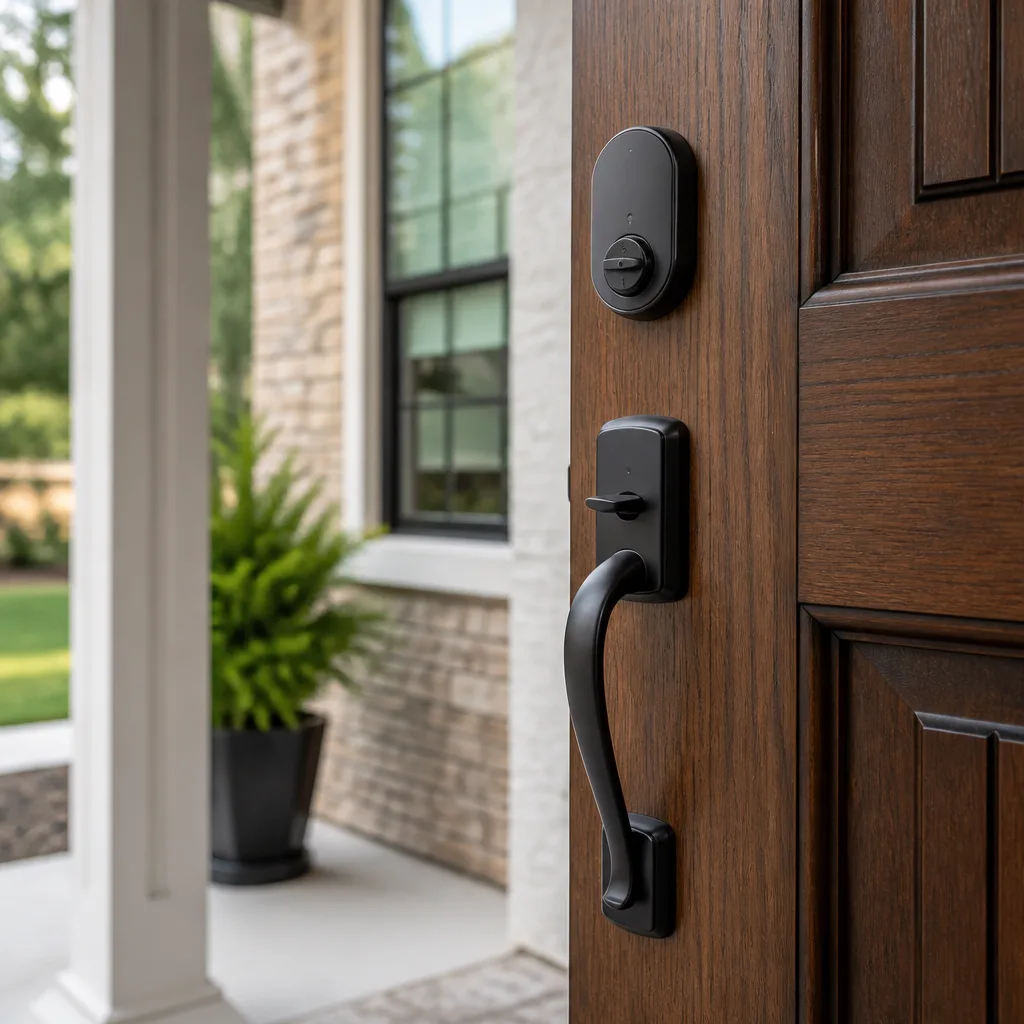 Smart locks
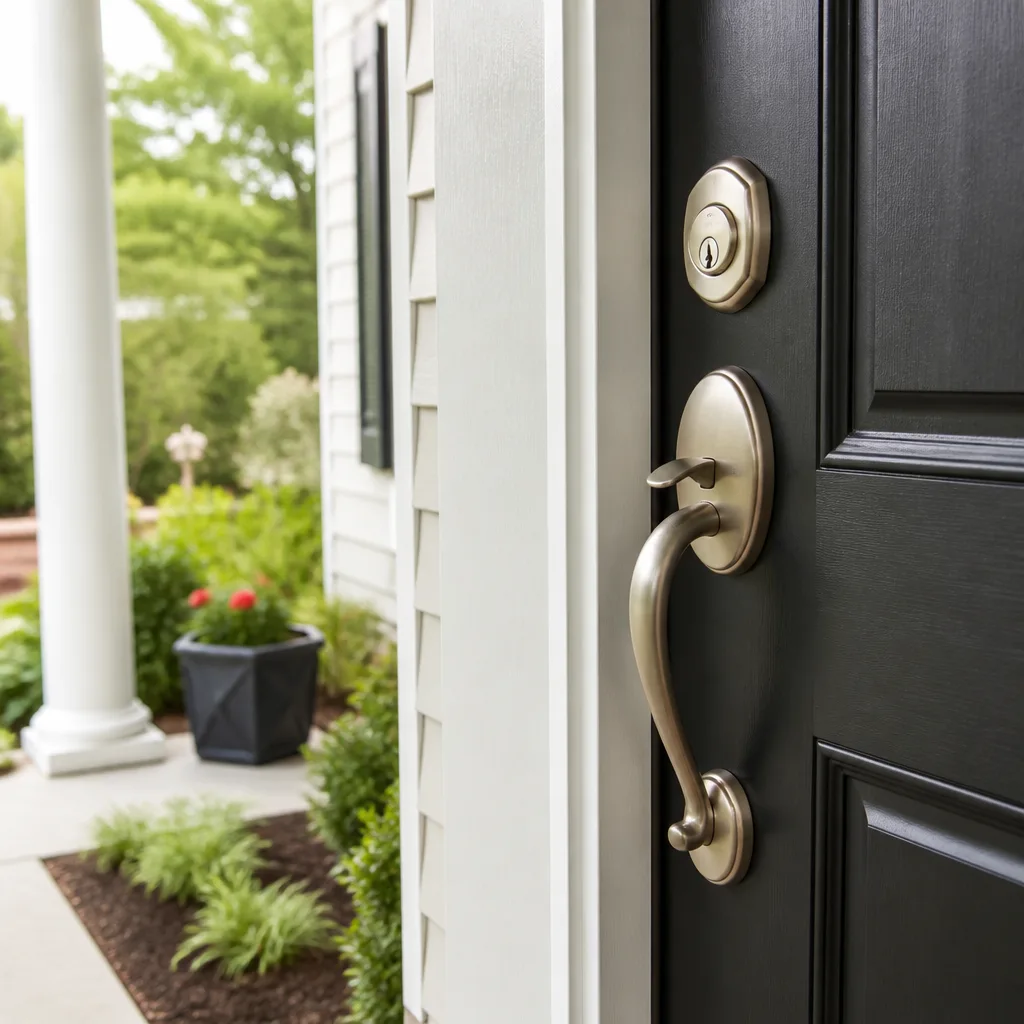 House lockouts
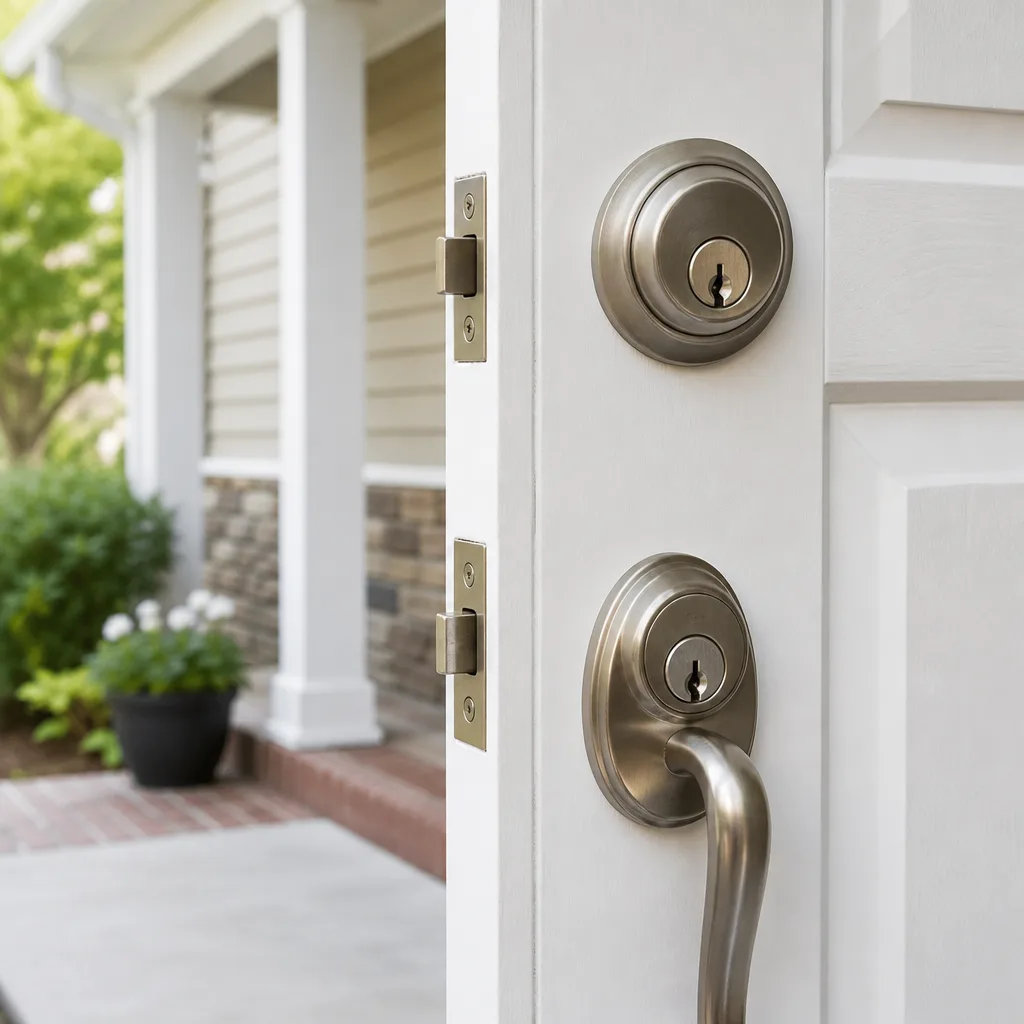 Re-keying
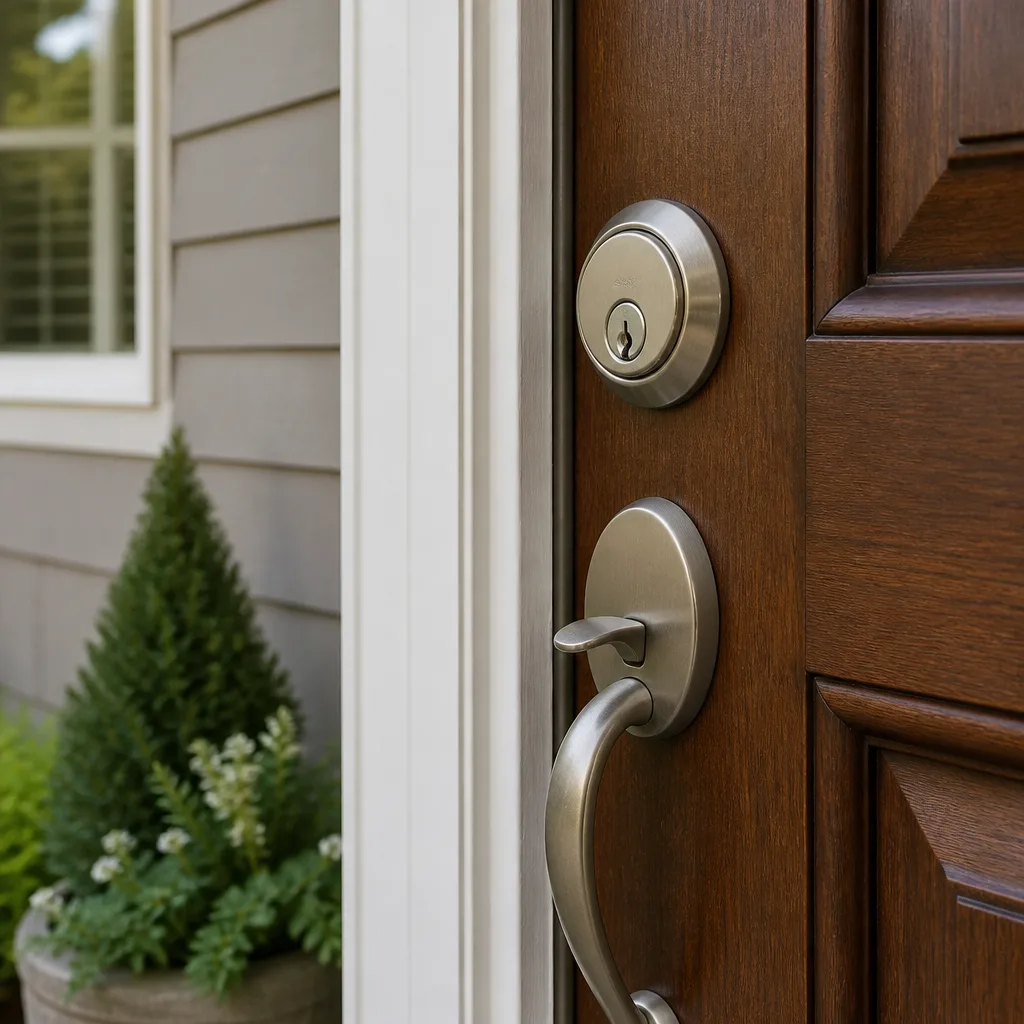 Deadbolt upgrades
 Schlage
 Kwikset
 Car keys & fobs
Non-destructive entry first, always - and we re-key Schlage, Kwikset, and Baldwin locks on the spot while you watch
You get a price before we start. It does not change when we arrive. No surprises.
Get your free estimateLocksmith Permits, Codes & Inspections in CA: What You Need to Know
California requires every working locksmith to hold a license from the Bureau of Security and Investigative Services (BSIS), but here’s what almost nobody tells you: that license has hard boundaries. It covers cutting keys, rekeying locks, picking locks, and installing basic hardware. It does not authorize alarm work, access control wiring, or structural door modifications. In Anaheim, plenty of jobs cross those lines silently. A homeowner replacing a damaged door frame, a property manager installing electronic access on a commercial suite, a landlord upgrading to a Mul-T-Lock deadbolt system on a fire door: each of these can trigger permit or contractor requirements the BSIS license never touches. This guide walks through exactly what California law regulates, where the gaps are, and how to protect yourself from both illegal operators and accidental code violations on your own property.
Styles & brands we work with
Quick Answer
California requires locksmiths to hold a BSIS locksmith company license and individual registration, but that license only covers locksmith work like key cutting, rekeying, and basic lock installation. Jobs involving electrical wiring, alarm integration, or structural door changes often fall under CSLB contractor rules and City of Anaheim building permits instead. Before any locksmith starts work in Anaheim, verify their BSIS registration online, and always ask whether the specific job falls under locksmithing or contractor scope.
Table of Contents
- The BSIS License: What It Actually Covers
- The Gap: What a Locksmith License Does NOT Cover
- Locksmith License vs. Contractor’s License: The Legal Divide
- When an Anaheim Job Triggers a City Building Permit
- How to Verify a BSIS Registration in Under 60 Seconds
- What Happens When Unlicensed Work Is Done on Your Property
- Anaheim-Specific Code Notes: Climate, Doors, and Fire Hardware
- Common Mistakes to Avoid
- When to Call a Professional
- Frequently Asked Questions
- The Bottom Line
The BSIS License: What It Actually Covers
The Bureau of Security and Investigative Services sits inside California’s Department of Consumer Affairs. It licenses locksmith companies and registers individual locksmith employees. Any person who charges money to cut keys, rekey locks, pick locks, install locks, or service locking devices must hold a BSIS registration. That part is clear. Less clear is where the line sits between “locksmithing” and “contracting,” and that line matters more in Anaheim than in most cities because of the volume of multi-family housing, commercial suites, and older single-family homes built before modern locking standards existed.
Here’s what the BSIS license authorizes:
- Key cutting and duplication for residential, commercial, and automotive locks
- Rekeying existing locks including Schlage, Kwikset, and high-security lines like Medeco and Mul-T-Lock, where rekeying requires specialized pinning kits and training
- Lockout service for homes, businesses, and vehicles
- Lock installation and replacement for standard doors where no structural modification occurs
- Key programming for automotive transponder systems, which falls under locksmith scope when performed as part of key replacement
We’ve fielded calls in Anaheim where a customer assumes that because someone holds a locksmith license, they can also run low-voltage wire for an access control panel. That assumption is wrong, and it’s the source of most of the trouble this guide addresses.
For routine residential work, a BSIS-licensed locksmith is exactly who you want. If the job stays within the physical lock, the cylinder, the key, and the door hardware, the license covers it. The moment the work touches electricity, framing, fire assemblies, or networked security, the scope changes.
The Gap: What a Locksmith License Does NOT Cover
BSIS licenses locksmiths. It does not license alarm companies, access control integrators, or general contractors. Those fall under separate regulatory bodies, and in California, the line between them is enforced.
Here are the common jobs where an Anaheim homeowner or property manager can accidentally hire an unqualified person for the work:
- Electronic access control installation. Running keypads, card readers, or intercom unlock systems requires low-voltage wiring. California’s Contractors State License Board (CSLB) considers this electrical work. A locksmith without a CSLB C-7 or C-10 license cannot legally perform it.
- Alarm system integration. Connecting a deadbolt sensor to a burglar alarm panel crosses into alarm company territory, regulated separately under the Alarm Company Act. A BSIS locksmith license does not cover alarm work.
- Door frame repair or modification. If a door frame is damaged and needs reinforcement plates routed into the jamb, or if a strike needs structural retrofitting, the work touches the building envelope. Depending on scope, Anaheim’s building department may treat it as structural.
- Fire door hardware on commercial multi-family buildings. Installing or replacing panic bars, fire-rated door closures, or magnetic hold-opens on fire doors requires compliance with fire code. The hardware itself may be installed by a locksmith, but the fire door assembly as a whole falls under building code inspection.
- Safe drilling or safe servicing. Most BSIS-licensed locksmiths are not qualified to open safes by drilling. That’s a separate specialty, and California treats it as outside standard locksmith scope.
We’ve seen Anaheim homeowners get burned when they hired someone to “wire up a keypad lock” on a gate, only to find later that the person was a locksmith with no electrical license, no permit was pulled, and the work failed a home inspection during a resale. The repair cost more than the original installation.
The takeaway: ask what specific license applies to the exact work being done. If the answer is vague, that’s your signal to dig deeper.
Locksmith License vs. Contractor’s License: The Legal Divide
This is the single most misunderstood point in California locksmith regulation. The BSIS license and the CSLB contractor’s license are separate, issued by different agencies, and not interchangeable. Understanding the divide protects Anaheim residents from two kinds of problems: hiring an unlicensed contractor for contractor work, and paying contractor rates for work that a locksmith is fully qualified to handle.
The Locksmith License
Issued by BSIS. Authorizes key cutting, rekeying, lock picking, lock installation, and automotive key services. No electrical work. No structural work. No alarm work. A locksmith company must hold a company license, and each technician who performs locksmith services must hold an individual registration. Both are verifiable online through the BSIS license lookup tool.
The Contractor’s License
Issued by CSLB. Authorizes building, electrical, plumbing, and specialized trade work. For access control installation involving wiring, the relevant classifications are C-7 (low voltage systems) or C-10 (electrical). For door frame modification, a C-17 (glazing) or B (general building) license may apply depending on scope. A contractor without a BSIS locksmith license cannot legally perform locksmith services either.
Here’s the practical framework we use with Anaheim customers:
- You need a lock rekeyed. Locksmith license. No permit. Done same day.
- You need a new deadbolt installed on an existing door. Locksmith license. No permit. Done same day.
- You need a car key replaced and programmed. Locksmith license. No permit. Done on-site.
- You need a keypad entry system wired to a power source. CSLB contractor license, specifically C-7 or C-10. The locksmith license alone is not enough.
- You need a damaged door frame rebuilt to accept a new strike plate. Depending on the extent, a building permit from the City of Anaheim may be required and a CSLB-licensed contractor must do the structural portion.
The law makes no exception for “it’s just a small wiring job.” If the work involves connecting anything to line voltage or running cable through walls, it’s contractor territory in Anaheim, and the distinction is enforced through permit inspection.
When an Anaheim Job Triggers a City Building Permit
Most locksmith work in Anaheim requires no permit at all. Rekeying, key cutting, lock replacement, and car key programming are all exempt from City of Anaheim building permits. But certain jobs cross into permit territory, and knowing which ones saves you from a red tag on your property.
Here are the Anaheim-specific scenarios where we’ve seen permits required:
- Door frame reinforcement after a break-in. If a burglar kicks in a door and the frame splits, reinforcing the jamb with a steel plate sometimes requires routing into the framing. When the modification alters the structural opening, Anaheim’s building department may require a permit. The repairs are inspected to confirm the door still meets egress and fire safety requirements.
- Commercial storefront door replacement. Replacing an entire storefront glass door and frame in Anaheim’s commercial corridors is not locksmith work. It’s glazing and framing, and it typically requires a CSLB C-17 or B license with a City of Anaheim permit pulled for the specific address.
- Panic bar installation on commercial fire doors. Installing a panic bar on a non-fire-rated door is straightforward locksmith work. Installing one on a fire-rated commercial door, or adding a magnetic lock to an access-controlled exit, triggers fire code review. Anaheim Fire & Rescue inspects these assemblies.
- Access control installation on multi-family common doors. When an apartment building in Anaheim installs electronic access on a common entrance, the wiring and power supply installation falls under CSLB scope. If the door is a fire-rated assembly, fire code applies as well. A permit is standard.
- Modifying a door that separates a garage from a living space. In Anaheim homes, the self-closing, fire-rated door between the garage and the house is a code requirement. Replacing the door, modifying the frame, or installing hardware that interferes with self-closing function can violate residential code. Work on that specific door may require a permit depending on what’s changing.
For the lock itself, the cylinder, the key, the rekeying, the programming: no permit, ever. For the structure around the lock, the electrical behind the keypad, and the fire assembly the door belongs to: permits and contractor licenses come into play. Knowing which layer of the job you’re dealing with is the entire game.
How to Verify a BSIS Registration in Under 60 Seconds
Before any locksmith touches a lock in your Anaheim home or business, you should verify their BSIS registration. The process takes less than a minute, and it’s the single most effective way to avoid a fraudulent operator. Here’s the exact process:
- Ask for the technician’s BSIS registration number. Every registered locksmith in California carries a wallet card with this number. A legitimate technician provides it without hesitation. A scammer stalls, gets defensive, or gives a company name only.
- Go to the BSIS license lookup portal. The California Department of Consumer Affairs maintains a searchable database at search.dca.ca.gov. Enter the registration number.
- Confirm the registration is active. The lookup shows whether the registration is current, expired, or revoked. Active is the only acceptable answer.
- Match the name. Confirm that the name on the registration matches the name of the person standing at your door carrying lock tools. Company licenses do not cover individual technicians; each person performing locksmith work needs their own registration.
- Check for disciplinary actions. The BSIS lookup also shows enforcement history. Any serious disciplinary action is a reason to refuse the service.
In Anaheim, where call-out scams still operate, we tell customers to do this verification before the technician drills anything, before any payment is discussed, and before any work starts. Sixty seconds of verification beats a four-figure repair bill from a drill-out gone wrong.
And here’s a practical note: the verification requirement applies to every technician, not just the company. A legitimate Anaheim locksmith company sends registered technicians. If a “company” sends an unregistered worker, the company is violating the law, and you’re the one left holding the liability.
What Happens When Unlicensed Work Is Done on Your Property
This is the section most “locksmith license” guides skip, and it’s the one that matters most after the job is done. When unlicensed work happens on your Anaheim property, the liability doesn’t disappear just because you paid someone else to do it. Here’s what actually happens on the ground:
You may be legally classified as the employer
California workers’ compensation law treats property owners who hire unlicensed workers as employers in certain circumstances. If an unlicensed locksmith is injured while working on your property, and they have no workers’ compensation insurance, you can be held liable for their medical costs and lost wages. The fact that you paid them cash and considered them an independent contractor doesn’t change the legal outcome. This is not a theoretical risk; it’s a well-established California legal principle that applies across Orange County.
Code violations become your problem
If unlicensed electrical or structural work is done on your Anaheim property, and the city discovers it through a complaint, a resale inspection, or a neighbor’s permit application, the violation belongs to the property owner. You’ll face the correction order, the rework cost, and the permit fees. The unlicensed worker who did the original job is long gone.
Insurance may deny the claim
Homeowners insurance policies typically exclude damage caused by work performed by unlicensed contractors. If an unlicensed locksmith damages your door, your frame, or your car during a key extraction, and you file a claim, the insurer may deny it on the grounds that you hired an unlicensed person. A BSIS-licensed locksmith carries the insurance and bond required by the state, giving you a direct path to recovery.
You can’t sue for defective work in the same way
A licensed contractor in California is subject to the Contractors State License Board’s complaint process, which gives consumers leverage. An unlicensed operator isn’t subject to that process in the same way, and suing for small sums in court is often more trouble than it’s worth. The strongest protection is verification before the work starts, not litigation after the fact.
For Anaheim homeowners specifically, the resale liability is real. When you sell a home, the disclosure forms ask about unpermitted work. If a previous unlicensed locksmith job created a code issue that surfaces during escrow, you’re in a position of either paying to fix it or losing the sale. The $80 you saved by hiring an unlicensed operator can turn into a $2,000 correction order at the worst possible moment.
Anaheim-Specific Code Notes: Climate, Doors, and Fire Hardware
Anaheim’s climate shapes how locks and door hardware perform across the city. The dry air and low annual rainfall are forgiving on metal hardware compared to coastal Orange County cities, but the inland heat creates its own failure patterns. We’ve seen deadbolts in Anaheim that seize up in summer months because the metal expands, pushing the bolt out of alignment with the strike. That’s a maintenance issue a locksmith can correct during a service call, and it rarely requires any permit or inspection. But some heat-related failures run deeper: a swollen door frame in an un-air-conditioned garage, a warped commercial door in an Anaheim industrial park, a misaligned storefront lock on a west-facing Anaheim Boulevard property. Those are situations where the lock problem is a symptom of a structural issue, and the fix may cross into contractor territory.
Anaheim also has a large stock of older single-family homes built in the 1950s and 1960s, before modern deadbolt standards existed. Many of these homes still have original door frames that are thinner and weaker than current code allows. When a homeowner in the Colony Historic District or West Anaheim asks us to upgrade to a high-security deadbolt from a brand like Mul-T-Lock or Abloy, the lock work itself is straightforward. But if the original frame can’t support the strike plate properly, reinforcing it may involve structural modification. That’s the exact scenario where a permit question arises, and it’s where a knowledgeable Anaheim locksmith is worth their weight: someone who can tell you “this is a lock job” versus “this needs a contractor and a permit” before any work starts.
Fire hardware is the other big Anaheim-specific consideration. Anaheim Fire & Rescue enforces fire code on commercial properties, multi-family buildings, and new residential construction. Doors on fire-rated assemblies in apartment buildings and commercial suites must self-close and self-latch. Installing the wrong deadbolt on one of these doors, or installing a hold-open that defeats the closer, is a fire code violation. The locksmith you hire should know the difference between a standard commercial door and a fire-rated assembly. That’s not a licensing question; it’s a competence question, and it’s one of the reasons we recommend asking any Anaheim locksmith whether they’ve worked on fire-rated doors in the city’s commercial inventory before. High-security brands, handled right, means knowing not just the lock cylinder but the door assembly it’s installed in.
You can find more on our Anaheim Locksmiths home page for a full overview of services and service areas across the city.
Common Mistakes to Avoid
- Assuming a locksmith license covers electrical access control. It doesn’t. If the job involves wiring a keypad, card reader, or intercom, you need a CSLB C-7 or C-10 contractor. In Anaheim, this clause trips up more commercial property managers than any other.
- Hiring without checking the BSIS registration number. The database is free, takes under a minute, and immediately weeds out most scam operators. Skipping it because you’re locked out and stressed is exactly what the scammers count on.
- Paying a deposit for work the technician hasn’t scoped yet. A legitimate Anaheim locksmith quotes the job before work begins. A deposit request before arrival is a red flag, especially for emergency service.
- Letting an unlicensed handyman reinforce a door frame after a break-in. The lock may be the exciting part, but the frame repair is structural. Get a licensed contractor involved if the jamb needs rebuilding.
- Ignoring fire door requirements on commercial suites. Installing a hold-open or swapping a closer on a fire-rated door without fire code knowledge creates a violation you own. The fire marshal doesn’t care who installed it.
- Confusing “locksmith license” with “contractor’s license” on paperwork. We’ve seen Anaheim property managers file contractor paperwork for a rekey and locksmith paperwork for an access control installation. The agencies are different, and the wrong filing causes delays.
- Delaying a rekey after buying a home or evicting a tenant. In Anaheim, where rental turnover is high and neighborhoods range from historic districts to new builds, rekeying after any change in occupancy is the single most effective security step. It’s also the cheapest. See our Rekey Locks in Anaheim page for more on what’s involved.
When to Call a Professional
If the job involves cutting a key, rekeying a lock, replacing a deadbolt, or programming a car key, a BSIS-licensed locksmith is the right call, and the work can usually be done faster than you expect. If you’re locked out of your home, car, or business in Anaheim at any hour, a licensed Emergency Locksmith in Anaheim can get you back in without damaging the lock or the door, and without triggering a permit issue.
If the job involves wiring, access control panels, structural door frame work, or fire-rated door hardware, you need someone who can tell you exactly which license applies and whether a City of Anaheim permit is required. That conversation should happen before work starts, not after.
For car key replacement, including transponder programming from brands like those used in most modern vehicles, see our Car Key Replacement in Anaheim page. The programming work falls under locksmith scope, but it requires specialized equipment and training most generalist shops don’t invest in.
Anaheim Locksmiths offers free estimates in Anaheim. Call (855) 382-0290 and we’ll tell you exactly which license, permit, and approach applies to your situation before anyone is dispatched. If it’s a lock job, we’ll quote the full price on the phone. If it’s a contractor job, we’ll tell you that too, and point you in the right direction.
Frequently Asked Questions
Yes. Every locksmith company in California must hold a BSIS locksmith company license, and every individual technician performing locksmith work must hold a BSIS registration. This applies to key cutting, rekeying, lock installation, lock picking, and automotive key services. You can verify any registration through the Department of Consumer Affairs license lookup tool in under a minute. Call (855) 382-0290 if you’d like help confirming a technician before work starts in Anaheim.
No. A BSIS locksmith license does not authorize alarm system installation or integration. Alarm work falls under the Alarm Company Act and requires separate qualifications. A locksmith connecting a door sensor to an alarm panel is working outside their licensed scope. Always ask which license applies to the specific work before it begins.
No permit is required for rekeying locks in Anaheim. Rekeying changes the internal pins of the lock cylinder so old keys no longer work, and the City of Anaheim does not regulate it. It’s one of the most common services we perform, and it’s a cost-effective alternative to full lock replacement. See our Rekey Locks in Anaheim page for details on how the process works.
A battery-operated keypad deadbolt that replaces an existing deadbolt and requires no wiring is locksmith work, and a BSIS-licensed locksmith can install it without a permit. A keypad entry system that connects to electrical power or to a network requires a CSLB-licensed contractor. The distinction is whether the job involves wiring. If you’re unsure which category your hardware falls into, call (855) 382-0290 and we’ll tell you before scheduling.
Ask for the technician’s BSIS registration number, verify it on the Department of Consumer Affairs lookup portal, confirm the registration is active, and match the name on the registration to the person who shows up. A legitimate Anaheim locksmith provides this information immediately. Anyone who hesitates or deflects is not someone you want working on your locks.
You may be responsible for the repair costs, and your homeowner’s insurance may deny the claim because the work was performed by an unlicensed person. In some circumstances, you can also be held liable for the worker’s injuries under California workers’ compensation law. The protection is verifying the BSIS registration before work begins, not trying to recover damages after the fact. For help confirming a technician’s status before they start, call (855) 382-0290 and we’ll walk you through it.
No. Car key replacement and transponder programming are locksmith services that require no permit in Anaheim or anywhere else in California. The work is performed on the vehicle, not the building, so building permits never come into play. However, the technician must still hold a BSIS registration, and the programming equipment required for modern vehicles is a significant investment not every locksmith has made. Our Car Key Replacement in Anaheim page covers the specifics for common makes and models.
The Bottom Line
California’s locksmith licensing framework is real, enforceable, and worth understanding before you hire anyone in Anaheim. The BSIS license covers the lock, the key, the cylinder, and the rekey. It doesn’t cover wiring, alarms, structural work, or fire door assemblies. Knowing which layer of the job you’re dealing with saves you from scam operators, code violations, and liability you never asked for. Verify the registration, ask about permits when the work touches structure or electricity, and don’t pay for work that wasn’t scoped first. When the job is a true locksmith job, a licensed technician handles it fast and without drama. When it’s not, a good locksmith tells you that upfront. That’s the difference between a transaction and a professional service.
Anaheim Locksmiths offers free estimates across Anaheim. Call (855) 382-0290 and we’ll tell you exactly what applies to your situation before anyone is dispatched. If it’s a lock job, we’ll quote the full price on the phone. If it’s a contractor job, we’ll tell you that too.
Written by the team at Anaheim Locksmiths, serving Anaheim since 2015.